Shoulder-Season Camping: How to Handle the First Cold Nights
Spring and autumn offer the best campgrounds, the fewest crowds, and the trickiest temperatures. A practical guide to sleeping warm when the mercury drops unexpectedly.
Published
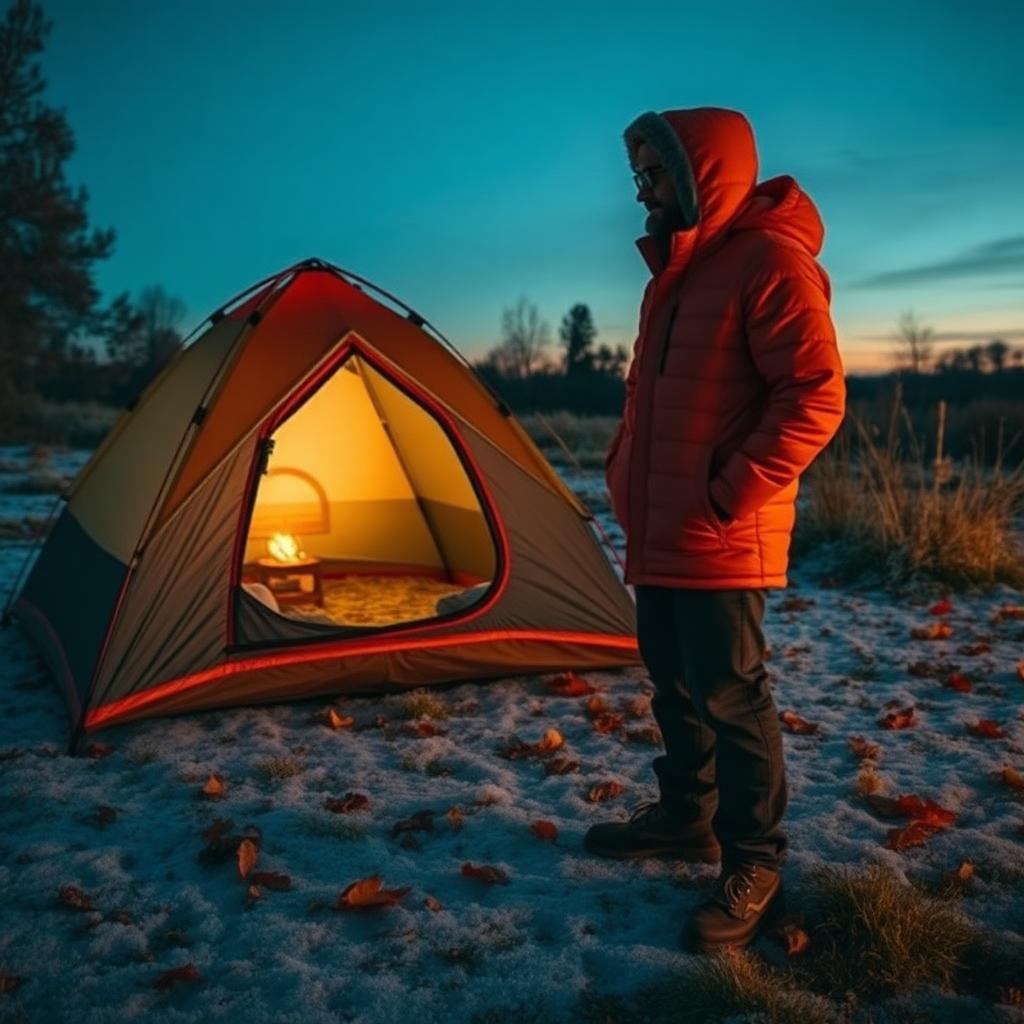
The shoulder seasons — roughly late April through May and again from late September into October across most of the temperate northern hemisphere — are, in the honest opinion of many experienced campers, the best time to be outside. Bugs are absent or manageable, the light is dramatic, campgrounds are quiet and reservations are actually available. The catch, and it is a real one, is that overnight temperatures can swing from mild to genuinely cold with little warning, and gear that worked perfectly in July can leave you shivering in September.
Understand the temperature ratings on your sleep system
The single most useful thing a shoulder-season camper can do is take a hard, honest look at the temperature rating of their sleeping bag or quilt. Modern EN and ISO ratings publish two numbers: a comfort rating and a limit rating. The comfort figure is closer to what most campers experience; the limit figure represents a curled-up survival threshold and should not be treated as a working temperature.
A common mistake is to assume a bag rated to five degrees Celsius will keep you comfortable at five degrees. In practice, a bag with a five-degree comfort rating is realistic for that temperature; the same bag advertised only with a five-degree limit rating is probably comfortable to about ten. Read the fine print before you rely on the number.
The pad matters as much as the bag
Insulation between you and the ground is the other half of the equation, and it is where most cold-night failures actually originate. A summer-weight foam pad with an R-value below two is inadequate as soon as ground temperatures drop below eight or nine degrees Celsius. Aim for an R-value of at least three for spring and autumn trips, and consider stacking a light foam pad under an inflatable one for added insulation and puncture protection.
Layering inside the bag
A dry base layer, a warm hat and clean socks make a bigger difference to sleeping warm than most campers realize. Wearing lightly damp clothes into a bag transfers moisture into the insulation, degrading its performance for the rest of the night. Change into dedicated sleep clothes before you get in, even if it means one more small stuff sack in the pack.
A hat is not optional. A surprising fraction of overnight heat loss occurs from the head and neck when a bag hood is not cinched, and a light beanie compensates directly. Down booties, if you own them, add cheap and effective warmth to the coldest part of your body at rest.
Managing the tent environment
Condensation is the invisible enemy of shoulder-season comfort. On clear cold nights, moisture from your breath and body accumulates on the inside of the fly and can drip onto the sleeping bag by morning. Ventilation, even in cold weather, is the answer: crack the door zip and a vent, and accept the small heat loss in exchange for a dry morning.
Pitch on a slight rise rather than in a hollow. Cold air pools in low ground, and the temperature difference between a hollow and a modest ridge can be several degrees. Wherever possible, favor an east-facing site that catches the first morning sun and warms the tent hours earlier.
Food, water and hot drinks
A warm meal in the evening is comfort insurance. Digestion generates heat, and going to bed with something warm in your stomach measurably improves the first hour of sleep. A small thermos of hot water tucked into the bottom of the sleeping bag doubles as a warm-water bottle and, in the morning, saves the trouble of firing up the stove to make tea.
Hydration matters more than most campers expect. Mild dehydration reduces the body's ability to generate heat, and cold air is dry air. Drink through the day, and keep a full bottle in the tent so you can top up during the night if you wake.
The weather forecast is a floor, not a ceiling
Shoulder-season forecasts have a specific failure mode: overnight lows are often several degrees colder than predicted, particularly in mountain valleys and after a cold front passes. Add a five-degree Celsius buffer to any low temperature you see in the forecast when choosing gear, and pack a spare insulating layer even on trips that look mild on paper.
Handled with respect, shoulder-season camping delivers some of the most rewarding nights of the year. The evenings are long enough to cook properly, the sunrises are dramatic, and the trails and campsites feel like they belong to you rather than the crowd. A little preparation on the cold-night side of the ledger is what makes the rest of the experience possible.