How to Choose a Backcountry Water Treatment System
Filters, chemicals, UV pens and boiling all have a place. A simple decision tree for picking the right tool for the trip in front of you.
Published
Every experienced camper eventually settles into a preferred water treatment approach, but the right choice genuinely depends on the trip. This guide walks through the main options, the threats each addresses and a simple decision tree for choosing between them.
What you are actually trying to remove
There are three categories of contaminant in most backcountry water. Protozoa such as giardia and cryptosporidium are the largest and easiest to remove. Bacteria are smaller but still filter-friendly. Viruses are the smallest and cannot be filtered by most consumer devices; treating them requires chemicals, UV or boiling. Sediment and chemical contaminants are their own category and rarely urgent in the backcountry, but affect taste and filter lifespan.
Hollow-fiber filters
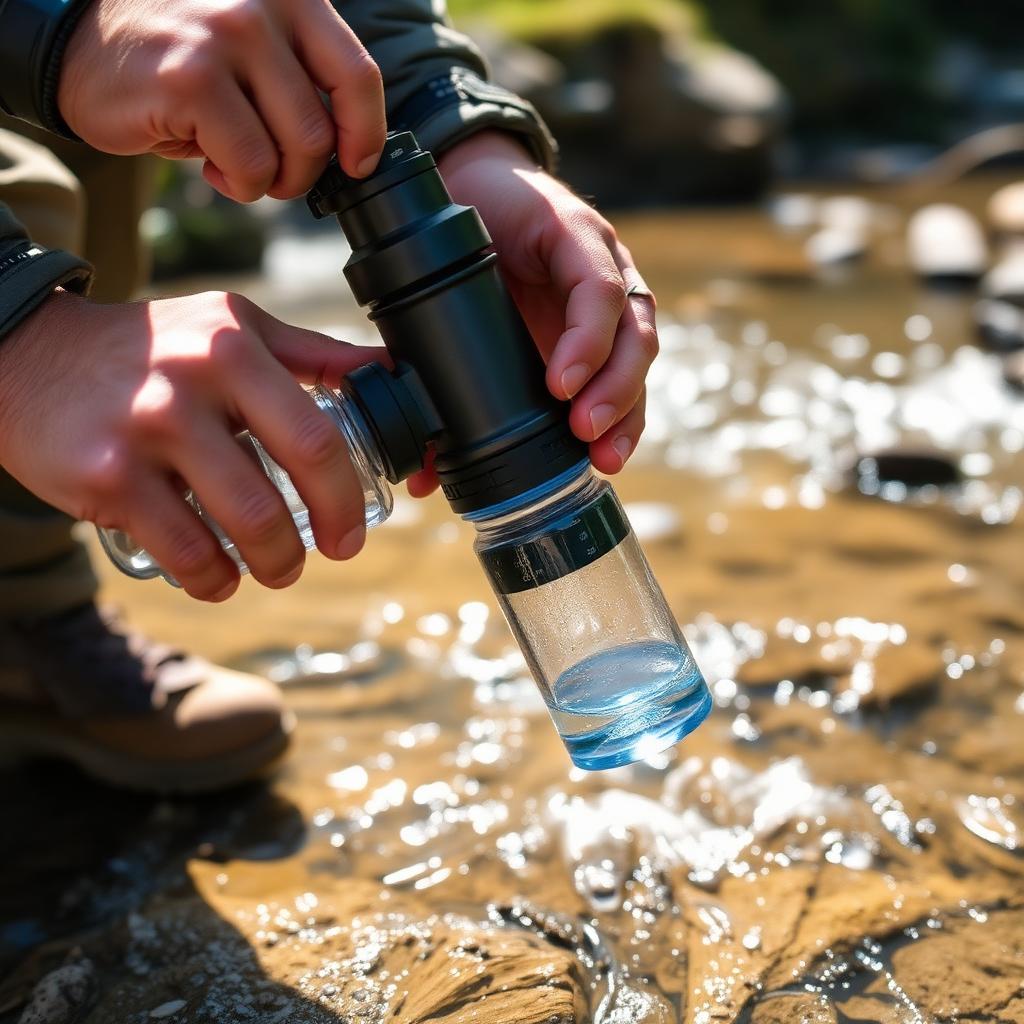
Hollow-fiber filters, including the popular squeeze filters and gravity systems, are the default for most trips in North America, Europe and much of the developed world. They remove protozoa and bacteria reliably, work quickly and require no wait time. They do not remove viruses, which is generally not a concern in cold, clear mountain water but can matter in agricultural or high-traffic areas.
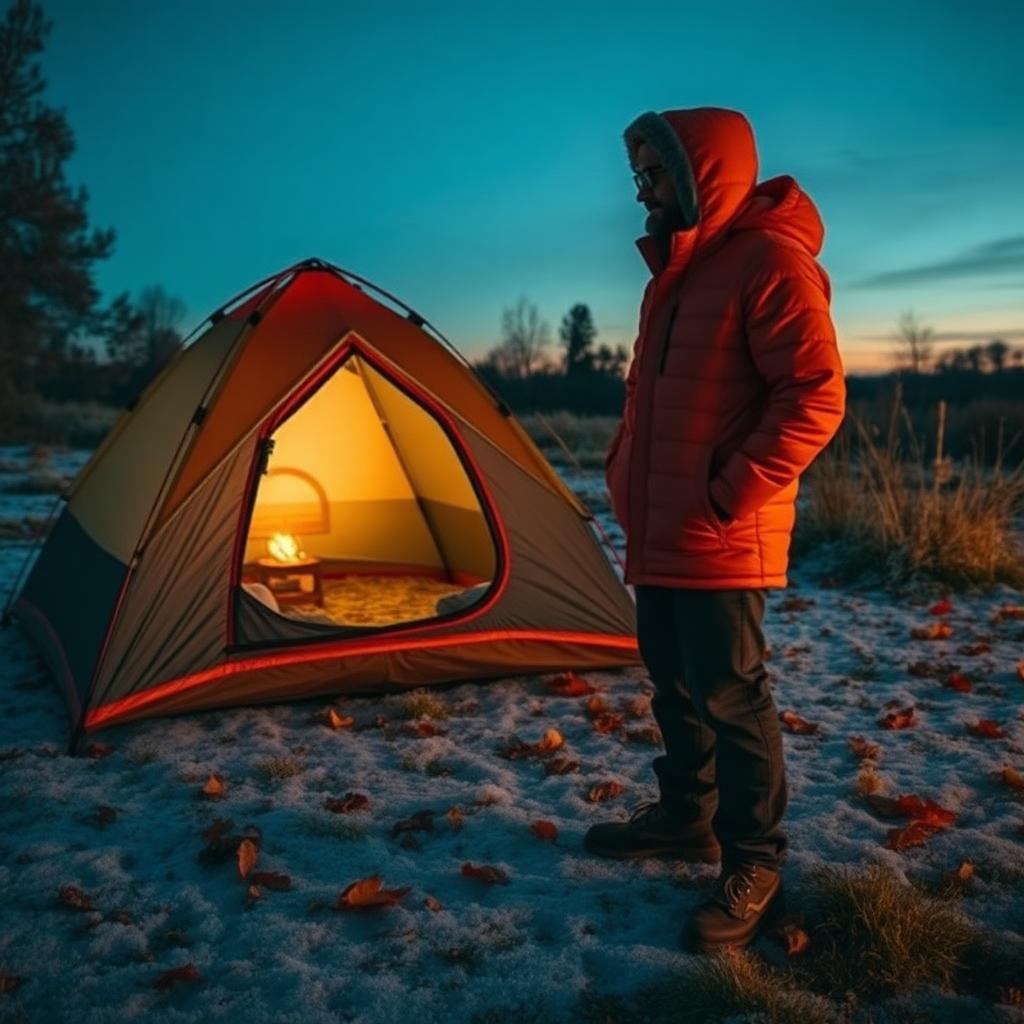
The main weaknesses of hollow-fiber filters are freezing and clogging. A frozen filter is a broken filter, so in shoulder seasons or above tree line the filter should sleep in your sleeping bag. Clogging is managed by back-flushing on every trip; a neglected filter can slow to a trickle by day four.
Chemical treatment
Chlorine dioxide tablets and drops address all three biological categories, including viruses. They add nothing to your pack weight and cannot break, which makes them the ideal emergency backup even for campers who prefer filters. The trade-off is wait time — thirty minutes for bacteria and viruses, up to four hours for cryptosporidium in cold water.
For international travel or for trips where a filter alone feels insufficient, carrying a small vial of chlorine dioxide as backup is one of the highest-value ounces in a pack. Iodine remains an option but tastes worse and is not recommended for pregnant travelers or people with thyroid conditions.
UV pens
Ultraviolet pens treat all three biological categories quickly, but only in clear water. Cloudy water must be pre-filtered through a coffee filter or bandana. UV pens depend on batteries, which fail in cold conditions, and on a working bulb that cannot be repaired in the field. Most campers who use them carry chemical tablets as backup.
Boiling
Boiling remains the most reliable treatment. One rolling minute is sufficient at any elevation a camper is likely to reach. The downsides are fuel consumption and time, which make boiling impractical for treating multiple liters a day but ideal for cook water regardless of primary method.
A decision tree
For weekend trips in North American mountain water, carry a hollow-fiber filter and a small vial of chlorine dioxide as backup. For international trips or agricultural areas, lead with chemicals or UV and use the filter as a taste and sediment step. In winter, plan around chemicals or boiling and keep any filter warm against your body during the day and inside your bag at night.
The best water treatment system is the one you will actually use every time you refill, not the most sophisticated one in your pack.