Bear Country Camping: A Practical Guide to Food Storage and Safe Camps
A working camper's playbook for cooking, storing food and choosing a tent site in country where black or brown bears may pass through camp.
Published
Camping in bear country is not dangerous when it is done thoughtfully, and it is one of the great privileges of wild travel in North America and parts of Europe and Asia. The overwhelming majority of bear-camper interactions end with the bear moving on, unaware or uninterested. The interactions that go badly almost always trace back to food, garbage or scented items that a camper failed to store correctly.
Pick your camp before you pick your kitchen
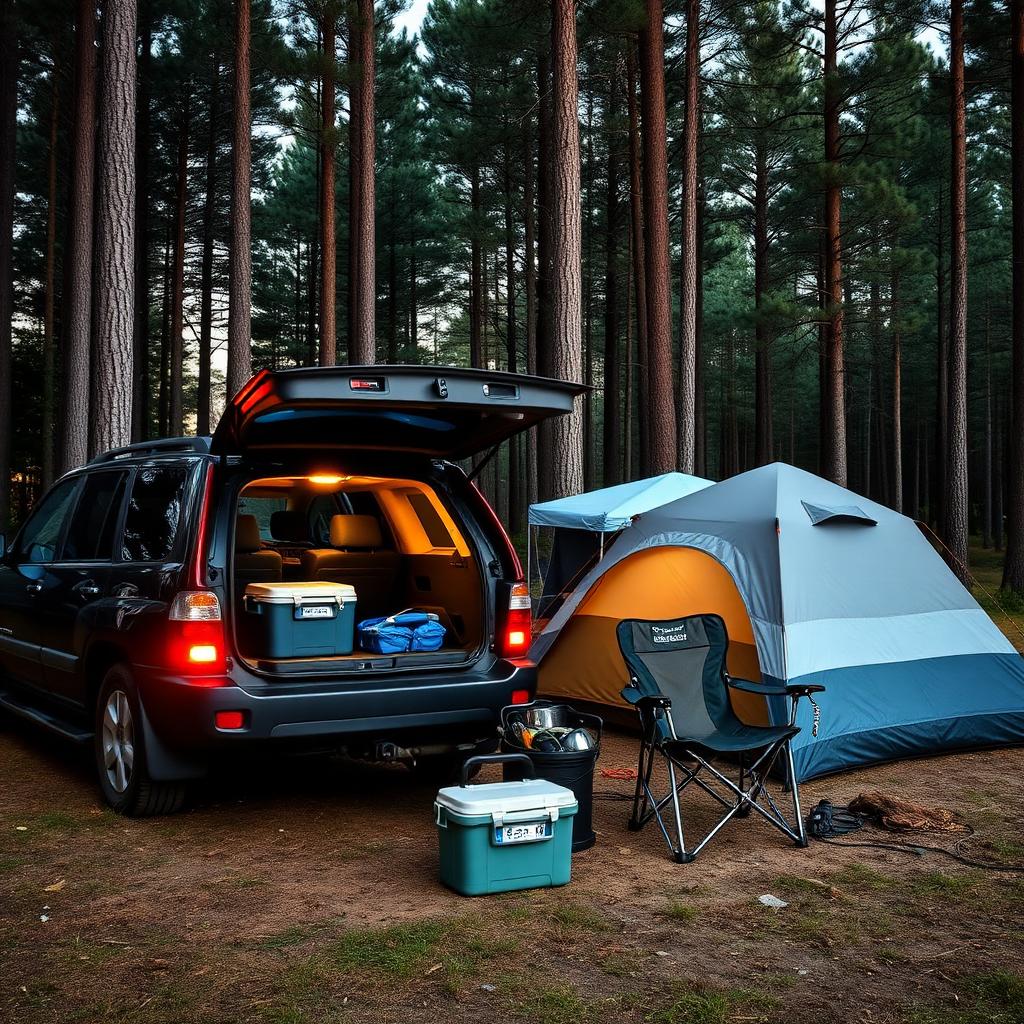
The first rule is that the tent, the kitchen and the food storage should form a triangle at least a hundred meters on each side. Cook downwind of where you plan to sleep, store food downwind of the kitchen, and pitch the tent upwind of both. In a busy campground with fixed sites this is not always possible, but in dispersed camping it is achievable almost anywhere.
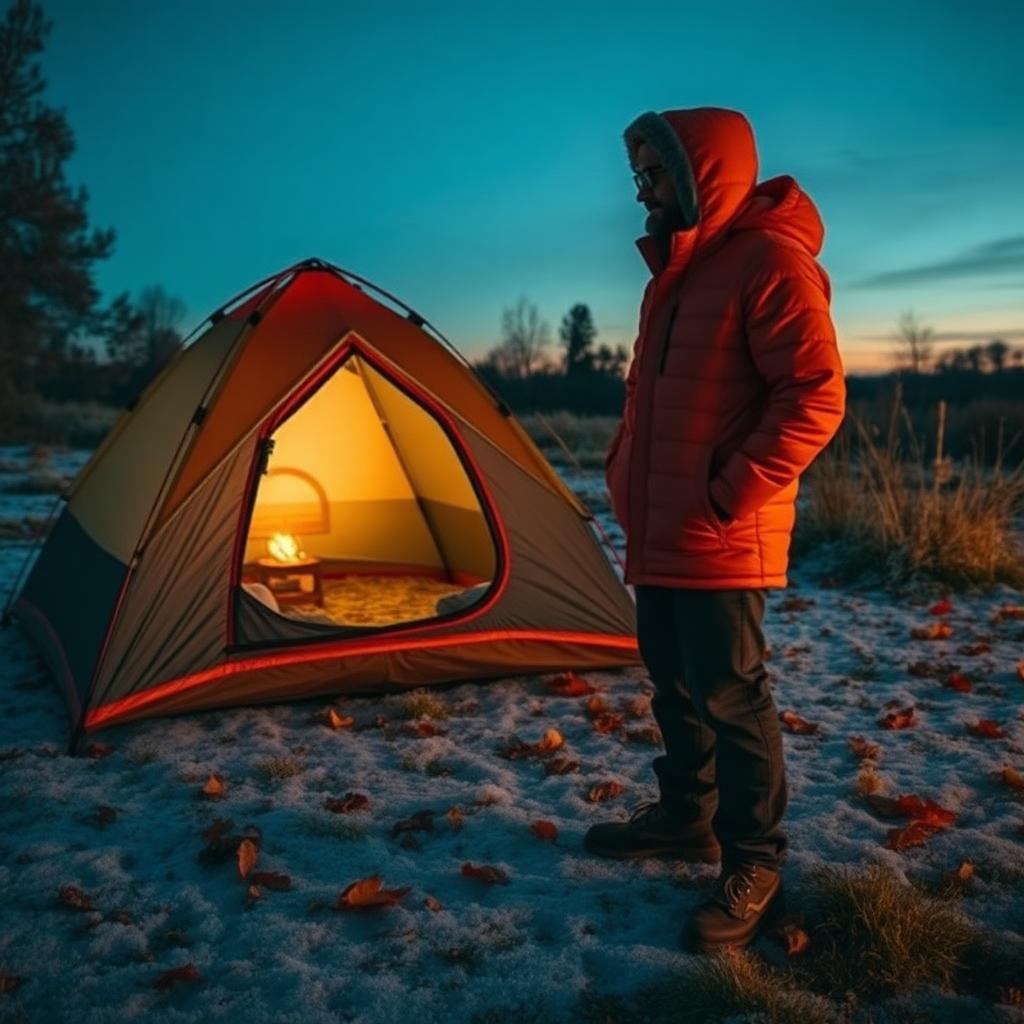
Choose a tent site on a slight rise if you can, ideally on ground that has been used before. Established sites have less residual food odor than untouched ground where a previous group might have spilled sauce or dropped a wrapper you cannot see. Avoid game trails, berry patches and the corridors between water sources and daybeds, which are all high-traffic zones for bears.
Choose an approved food-storage method
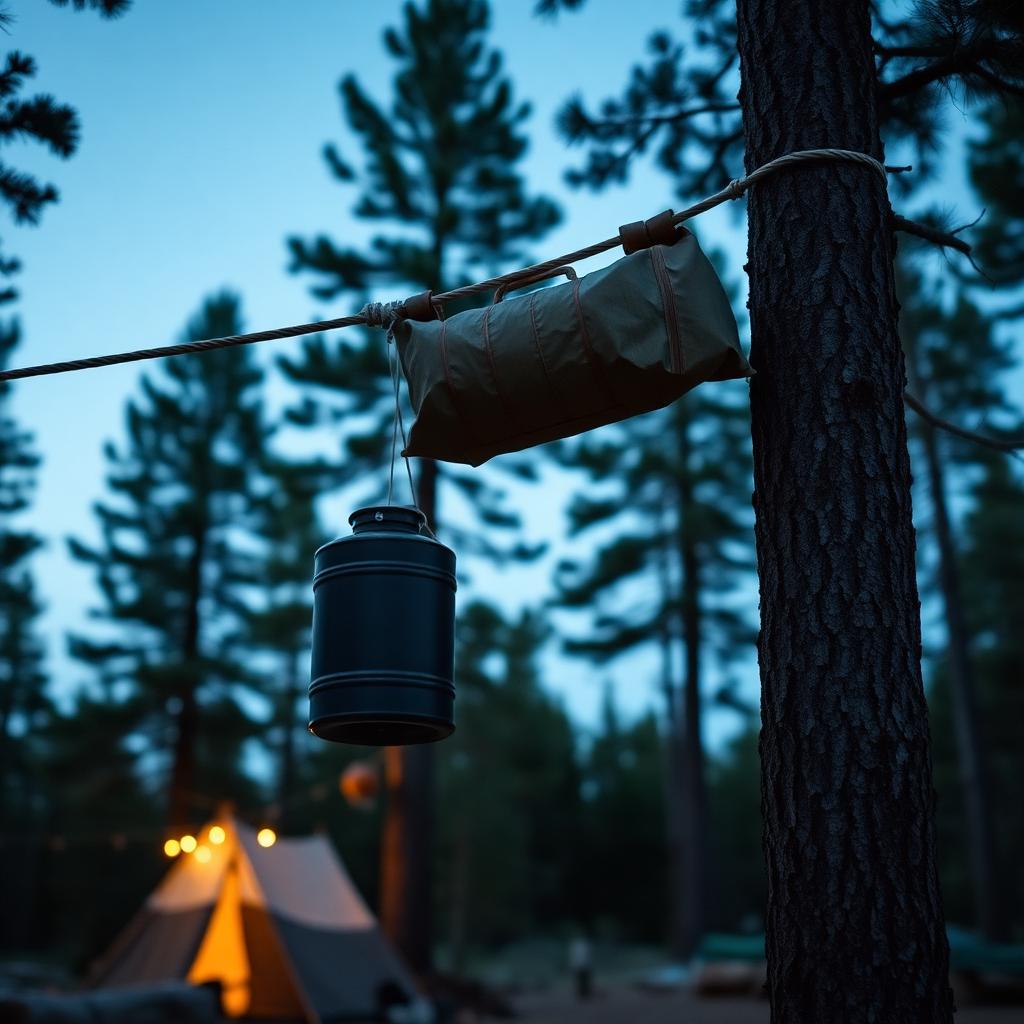
There are four food-storage methods that consistently work: hard-sided bear canisters, electric fences, permanent food-storage lockers in developed campgrounds, and properly executed bear hangs. Odor-proof plastic bags are a supplement, not a substitute, and rope-hung stuff sacks that are not high enough or far enough from a trunk are worse than nothing because they teach bears that camps mean food.
For most backcountry travelers, the canister is the least fussy option. It weighs more than a rope and a bag, but it works in every environment, requires no suitable branches, and cannot be defeated by a smart bear that has learned to bite ropes. Many jurisdictions now require a specific approved canister model; check before you go.
Cook clean and small
Cooking style matters. Simple, low-odor meals — pasta, couscous, dehydrated stews — leave less scent in camp than fried bacon or curry. Cook only what you will eat and clean the pot immediately. Any leftovers must be packed out; burying food does not work and cathole disposal of scraps is a violation of Leave No Trace guidelines.
Wash dishes at least seventy meters from your tent, using a small amount of biodegradable soap and disposing of the strained gray water by scattering it broadly on well-drained ground. Strain solids into a resealable bag that travels with the rest of your food waste.
Scented items are food too
Toothpaste, sunscreen, insect repellent, lip balm and dirty cooking clothes should all be stored with your food, not in your tent. A curious bear will investigate any concentrated scent, and there is no reliable way to know which specific smells will attract which specific bears. The rule is simple: if it has a smell, it goes in the canister.
What to do if you meet a bear at camp
If a bear enters camp, make yourself known immediately: stand tall, speak in a firm voice, and give the animal an obvious route out. Do not run. Most bears will leave promptly once they realize humans are present. If a bear approaches food that is not properly stored, do not try to defend it. Retreat, and let the incident become the reason your food storage improves for the next trip.
Carry bear spray in country where brown bears are present, and know how to deploy it. Read the label at home, not in a stressful moment. Attached to a hip belt or a shoulder strap, spray is a genuine safety tool. Buried in a pack, it is dead weight.
The habits that keep camps safe
The campers who spend decades in bear country without incident share a small set of habits: they store food the same careful way whether the country is 'obvious' bear country or not; they clean camp before dinner is even finished; and they treat every trip as an opportunity to leave a site cleaner than they found it. Those habits, more than any single piece of gear, are what keep bears wild and campers welcome.