The First-Time Car Camper's Complete Checklist and Field Plan
Everything a new car camper actually needs — no gadgets, no filler — plus a realistic plan for the first night out.
Published
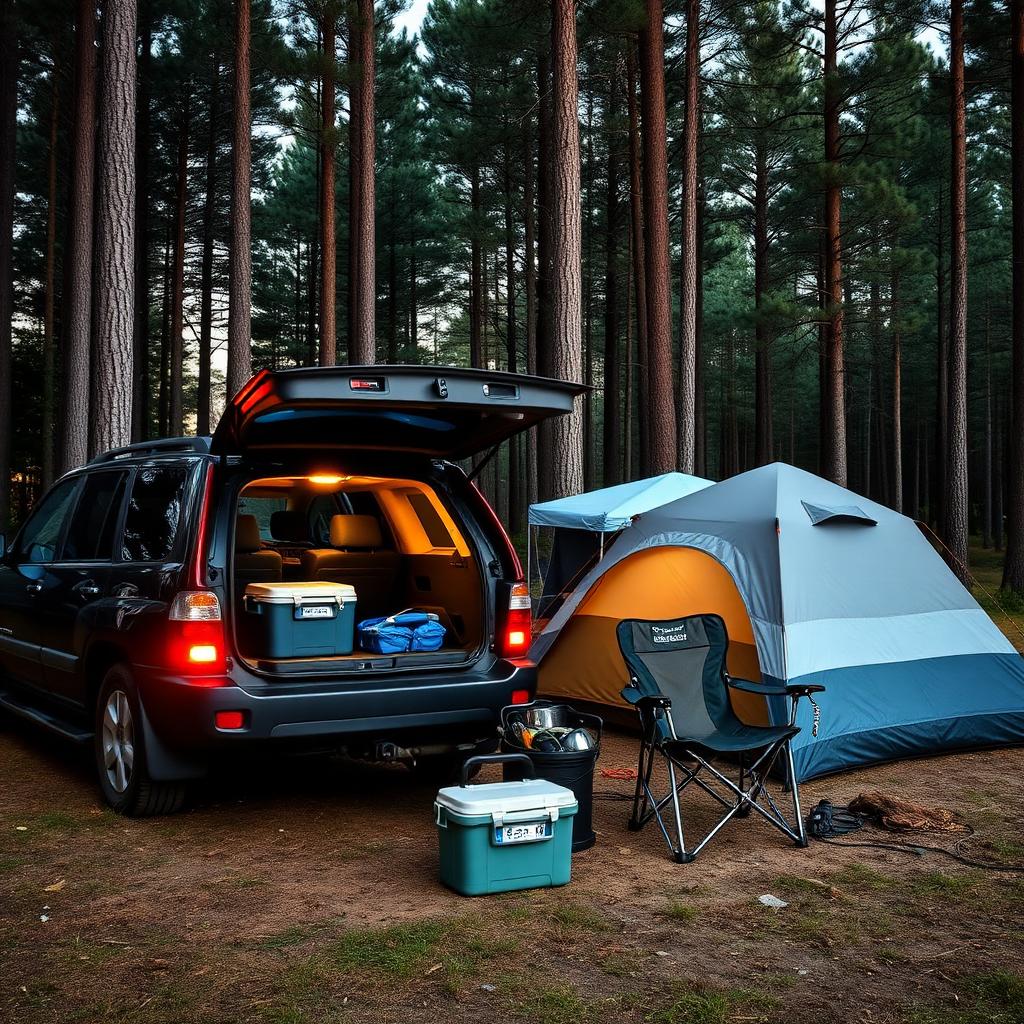
Car camping is the easiest way to sleep outside, and yet the amount of advice aimed at beginners can make it feel intimidating. This guide is deliberately short on gadgets. It focuses on the ten categories of gear that matter, then walks through a realistic plan for a first weekend in a developed campground.
Shelter
A three-person, three-season tent is the sweet spot for two adults, giving you room for gear inside the vestibule and a little space to sit up when weather rolls through. Look for two doors, a full-coverage rainfly and taped seams. Pitch the tent once in your backyard before the trip; discovering a missing pole in the dark is a memorable but unwelcome experience.
Sleep
The single most important item for a first trip is a good sleeping pad. Even the warmest bag will feel cold on a thin foam pad, and even a modest bag will feel warm on a well-insulated inflatable pad rated to at least R-3. Bring a small pillow or stuff a fleece into a pillowcase; sleep quality on the second night is often the difference between wanting to come back and never wanting to camp again.
Kitchen
A simple two-burner propane stove will cover everything from morning coffee to a proper dinner. Pair it with a single pot, a small non-stick pan, one sharp knife, a cutting board and a pair of tongs. That is genuinely all you need for a weekend. Bring a small basin for washing up and a jug of dedicated water, ideally five gallons, refilled from a spigot rather than a stream.
Light
One headlamp per person and one lantern for the picnic table. Rechargeable options have improved to the point that they are usually the better choice, but bring a small reserve of AA or AAA batteries just in case. A red-light mode on the headlamp helps preserve night vision at the fireside.
Clothing
Layering is the entire trick. A base layer (merino or synthetic, not cotton), an insulating mid-layer, and a wind- and water-resistant shell will handle most three-season conditions. Bring one full change of clothes sealed in a dry bag; weather can turn a T-shirt into a liability, and dry clothes at bedtime are non-negotiable.
The realistic first night
Arrive at your campground with at least three hours of daylight remaining. Pitch the tent first, then set up the kitchen area, then finally deal with anything decorative. Cook a genuinely simple dinner — pasta with jarred sauce, a couple of sausages, a salad from a bag — and go to bed earlier than you would at home.
Expect to wake up around dawn. Make coffee, sit outside, and let yourself notice how quickly time passes when the day is structured around light rather than a screen. That, more than any specific technique, is the actual reason to go camping.
What to skip on trip one
Skip the axe, the folding table with the built-in wine rack, the elaborate coffee setup, the projector and the drone. You can add those later if the trip converts you. What you cannot add later is the memory of a first weekend that felt calm and manageable rather than logistically exhausting.