Leave No Trace in 2026: What Has Changed and Why
The seven principles are still the framework, but the specific practices have evolved. Where campers' habits have moved and where they still need to.
Published
The Leave No Trace framework has been the foundation of low-impact camping for over three decades, and the seven principles remain the right way to think about outdoor ethics. The specific practices under those principles have evolved, however, sometimes significantly. This piece is a practical update on where campers' habits have moved, and where they still need to.
Human waste: cathole guidance has tightened
The traditional cathole guidance — six to eight inches deep, two hundred feet from water — remains the standard in most environments. Two changes in recent years are worth noting. First, in high-use areas and above tree line, pack-out is increasingly required or recommended even for solid waste. Wag bags are no longer just a river-corridor thing.
Second, the guidance on toilet paper is now clearly to pack it out in most environments. Buried toilet paper takes years to decompose and is routinely dug up by animals. Bring a small waste bag and use it.
Fires: the default has moved to stove-only
Twenty years ago, the default assumption was a campfire unless conditions or regulations forbade it. That default has flipped. In many popular areas, stove-only camping is now the norm, both because of fire risk and because of the impact of decades of accumulated fire rings on the landscape.
Fires are still legal and appropriate in many places, but they should be a considered choice rather than a default. If you build one, use an existing ring in a durable location, keep it small, and put it dead out with water.
Wildlife: hazing has become more nuanced
The old advice to shout, wave arms and appear large at any bear encounter has been refined. For grizzly bears in particular, the recommended response depends on distance and the bear's behavior. A curious young bear at a hundred yards is not the same as a surprised sow with cubs at twenty yards.
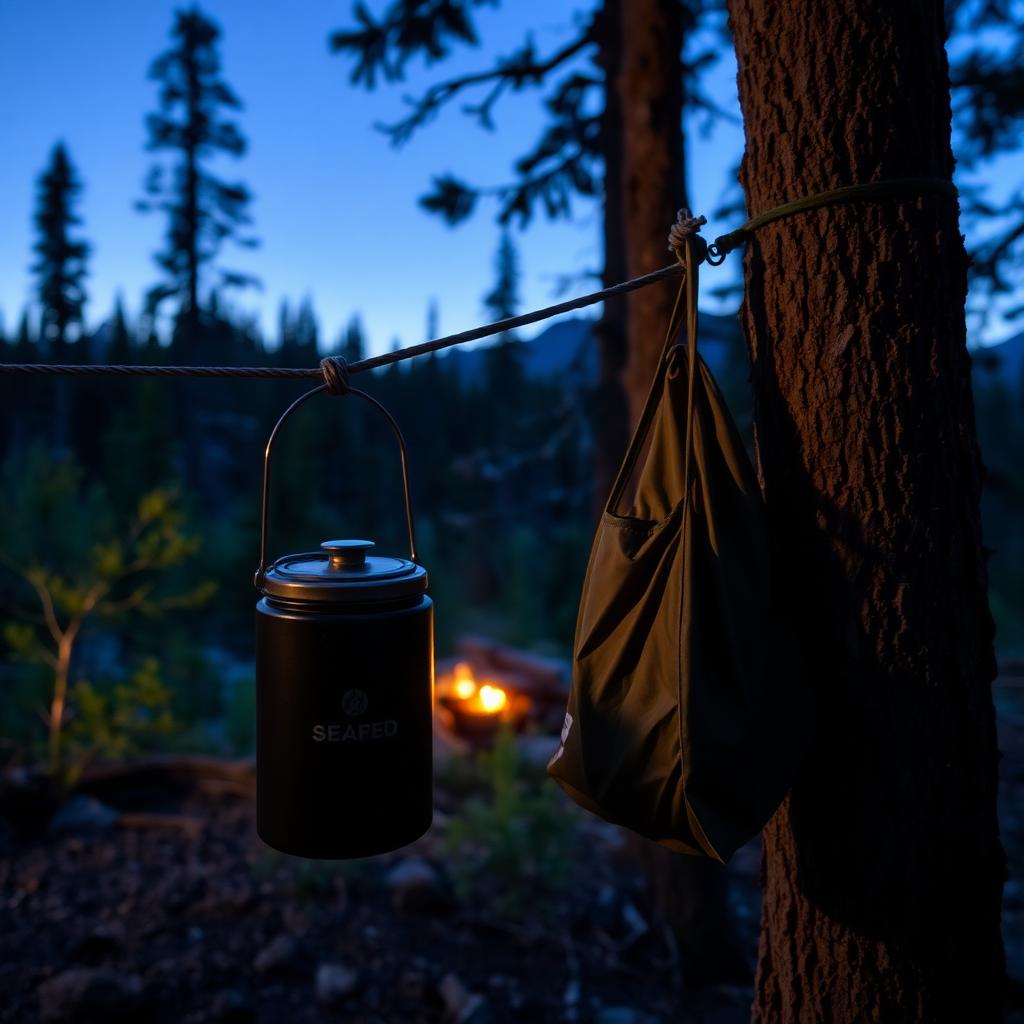
The general principle is to give wildlife more space than you think you need, back away calmly from surprise encounters, and treat food storage as the most important single decision of the trip. Habituated wildlife is created by careless food storage, and habituated wildlife eventually has to be destroyed.
Group size: smaller is better
The recommended group size for most wilderness travel has quietly dropped. Many land managers now cap groups at eight rather than the traditional twelve, and even where the regulation is higher, best-practice groups tend to be smaller. Small groups have lower impact, less noise, faster decision-making and a better experience for everyone else on the trail.
If you are organizing a larger trip, consider splitting into two independent groups with staggered itineraries. The experience for participants is often better, and the impact on the environment and other visitors is significantly lower.
Social media: the newest LNT topic
The eighth de facto principle, though it is not formally in the framework, has become social media. Geotagging fragile locations, driving traffic to unmarked sites and framing the outdoors as a backdrop for content rather than an experience have all had measurable impacts on specific places.
The recommended practice is to share the region rather than the specific coordinates, to omit geotags on fragile spots, and to think carefully about whether a post is genuinely informative or merely amplifies pressure on an already crowded place.
The larger point
Leave No Trace is not a checklist. It is a mindset that says the land will be here longer than you are and that the people who come after you deserve the same experience. The specific practices will keep evolving. The mindset should not.