Hypothermia: Field Recognition and Practical Response
The most common serious backcountry emergency is not what most campers train for. A calm walk through recognition, prevention and treatment.
Published
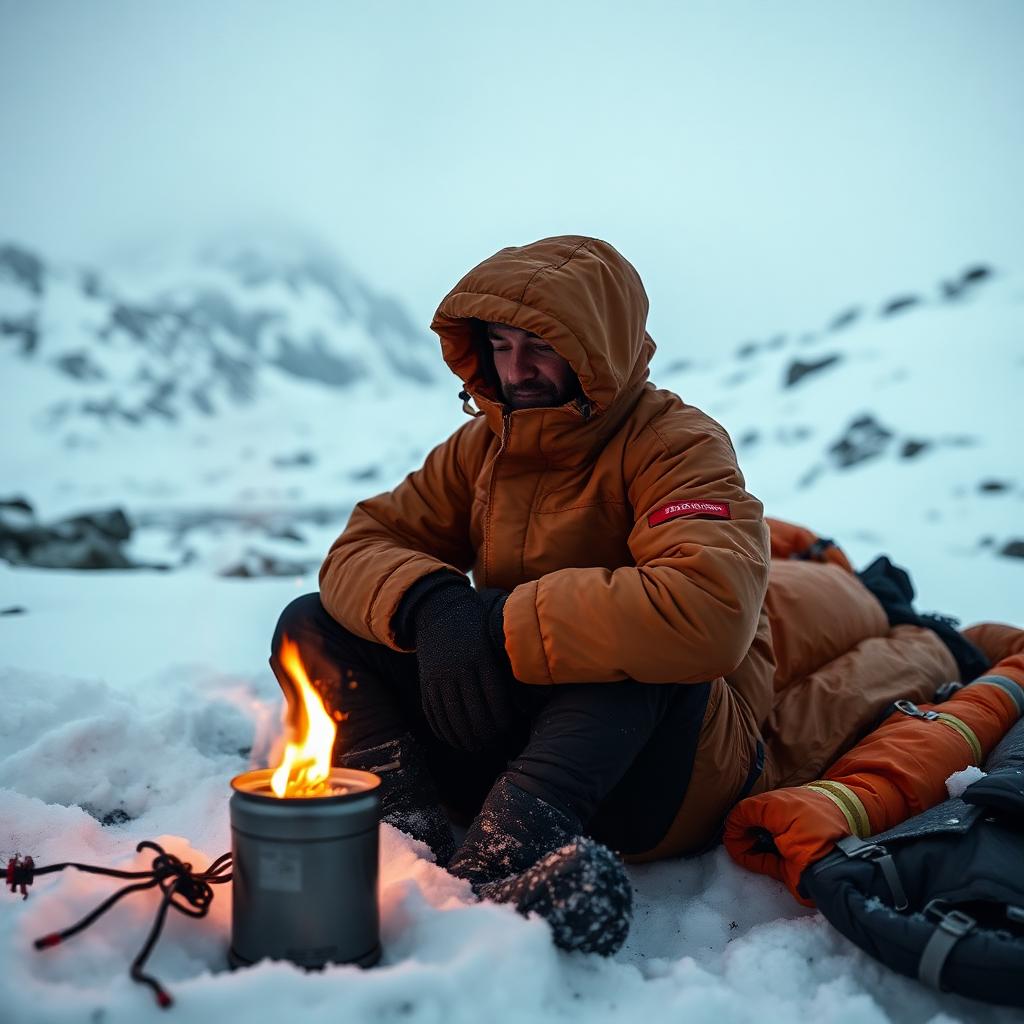
Hypothermia is the most common serious backcountry emergency, and it kills people in conditions far milder than most campers expect. Cold water immersion, a sudden shift in weather, a long wet hike in a marginal shell — none of these need to be dramatic to produce a genuine crisis. This piece is a practical walk through recognition, prevention and treatment.
The temperature threshold is not what you think
The single most important fact about hypothermia is that it commonly occurs in air temperatures between forty and fifty degrees Fahrenheit, not in true winter cold. Wet clothing, wind and modest exertion in this temperature range are the classic recipe. A camper who would put on a warm jacket at twenty degrees will often push through in wet clothes at forty-five, and that is where the problem develops.
Field recognition
The first signs of hypothermia are subtle and easy to miss. Persistent shivering that the person cannot easily suppress. A slight decrease in coordination, often visible as clumsy footwork on trail. A withdrawn or irritable demeanor. Cold hands and feet that do not warm up during movement.
As hypothermia progresses, the shivering becomes violent and involuntary, then paradoxically stops. Speech becomes slurred. The person loses interest in eating, drinking or self-care. This is the point at which the situation has become genuinely urgent.
In severe hypothermia, shivering stops entirely and consciousness fades. This is a life-threatening emergency requiring immediate and careful rewarming, and evacuation as soon as it can be safely arranged.
Prevention
Hypothermia is essentially always preventable in the conditions in which it usually occurs. The formula is well established. Stay dry, or if you cannot stay dry, change into dry layers as soon as you can. Eat regularly, ideally every two hours in cool wet conditions. Drink water; dehydration accelerates cold injury.
Layer for the whole trip, not for the sunny start. A rain shell that lives at the bottom of the pack does not help you if you do not take it out when the rain starts. The single most common mistake in the field is delaying putting on the shell until you are already wet.
Response: mild to moderate hypothermia
If you catch hypothermia early, the response is straightforward. Stop moving. Get the person out of wet clothing and into dry insulation. Give them warm sweet drinks and simple carbohydrates. Get into a sheltered spot, ideally with wind protection and ideally with a friend or two nearby.
The person should not do their own care. Cognitive impairment is one of the first effects of hypothermia, and the person will consistently underestimate how impaired they are. Take over the decision-making, and be firm about stopping to warm up rather than pushing on.
Response: severe hypothermia
Severe hypothermia is a genuine emergency and requires very careful handling. Rough movement can trigger cardiac arrhythmias. Keep the person horizontal, insulate them thoroughly from ground and air, and use body-to-body warmth if you have it. Do not give food or drink to an unconscious person.
Rewarming a severely hypothermic person is not a job for a camping party if evacuation is possible. Call for rescue, keep the person insulated and warm, and let professionals handle the rewarming in a medical setting.
The takeaway
Hypothermia is not a winter emergency. It is a wet-and-windy-shoulder-season emergency. Respect the conditions in which it develops, act early when the first signs appear, and you will almost certainly never see it become serious.