Titanium Cook Systems in the Field: Are They Worth the Premium in 2026?
We cooked breakfast on titanium every morning for a month. A field review of four current cook systems, with honest notes on where titanium actually earns its price.
Published

Titanium camping cookware occupies a strange place in the market. It is dramatically lighter than steel and marginally lighter than aluminum, it is nearly indestructible, and it costs roughly three times as much as the equivalents made in either metal. Every year new titanium pots, mugs and integrated cook systems arrive from a small group of specialist manufacturers, and every year campers ask the same question: is the premium actually worth it? To answer that with something better than opinion, we cooked breakfast and dinner on four current titanium cook systems every day for a full month across a mix of car and backcountry trips.
What we tested
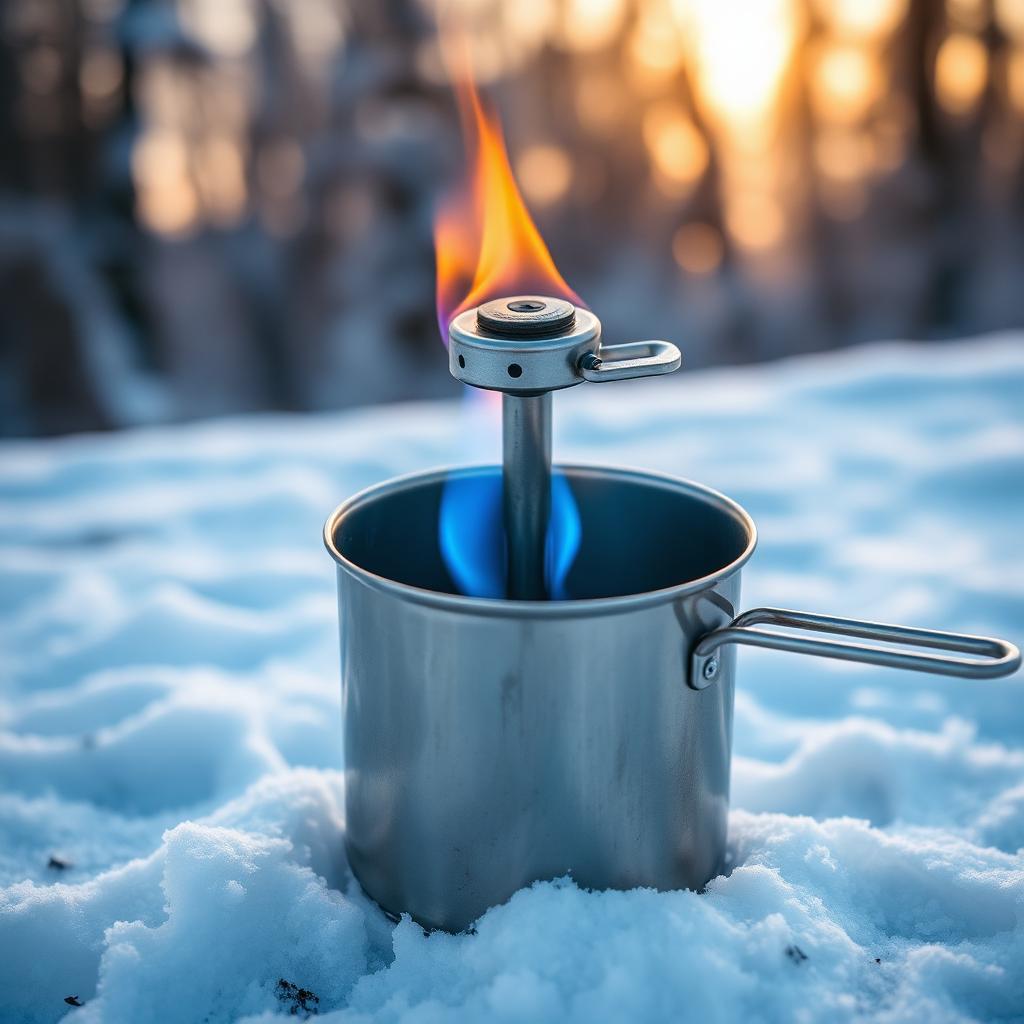
The lineup was chosen to cover the two main use cases for camping titanium: solo ultralight systems where every gram matters, and small-group systems where durability and packability compete with weight. The specific pots included a 700-milliliter solo pot, a 900-milliliter solo pot with a built-in stove burner recess, a 1.3-liter two-person pot and a 1.8-liter three-person pot with an integrated frypan lid.
Each system was used for at least fifteen full meals, spanning boiled water for freeze-dried meals, real cooking of pasta and rice, morning oatmeal and, on car camping stretches, a small amount of frying to see how the pots handled uneven heat.
Where titanium excels
Weight is the obvious first answer, and it holds up in the field. The 900-milliliter solo pot weighed 118 grams; the aluminum equivalent from the same brand weighed 165 grams. Over a week-long trip, that difference is trivial in isolation but real when combined with a titanium mug, spork and pot lid — the whole cook kit came in at just over 200 grams, which is genuinely noticeable in a small pack.
Durability is the underrated second answer. The 1.3-liter two-person pot was dropped on rock, packed carelessly under a bear canister, and used as a scoop for river water. It shows some cosmetic scratching and no meaningful damage. An aluminum pot subjected to the same treatment would likely be dented enough to pack awkwardly by the end of a month.
Where titanium struggles
Titanium's poor heat conductivity is the widely-mentioned weakness, and it is real. On the wider pots we tested, food touching the base of the pot directly over a canister burner scorched noticeably faster than it would in aluminum. Cooking oatmeal without stirring for even thirty seconds risked a burned ring at the bottom, and frying eggs on the integrated lid was more of a demonstration than a practical technique.
The workaround is technique rather than a design fix. Preheating the pot on a low flame, adding a small amount of extra water to any grain-based meal, and stirring more frequently than you would with aluminum all produced acceptable results. It is a real change in cooking style, though, not a specification you can ignore.
The mid-size pot is the sweet spot
Of the four systems, the 1.3-liter two-person pot emerged as the most defensible purchase. It was light enough to justify a solo trip when packability mattered, large enough to actually cook dinner for two, and durable enough to shrug off the sort of abuse that ends the useful life of thinner aluminum. The 700-milliliter solo pot felt cramped for anything beyond boiling water, and the 1.8-liter three-person system was heavy enough that aluminum would have been the more sensible choice.
Cost per year of use
The premium argument for titanium only makes sense if you keep it. A titanium pot bought today will still be in use twenty years from now if you don't lose it, which brings the effective cost per year well below the equivalent aluminum pot that eventually deforms and gets replaced. For a camper who takes out fifteen or twenty trips a year and holds gear long-term, the math works.
For an occasional camper who might replace their cook system in five years because of changing needs, aluminum remains the more rational purchase. There is no shame in it and, in some pot sizes, aluminum genuinely cooks better.
Recommendations
For the ultralight-focused solo camper, the 900-milliliter titanium pot with a burner recess is the standout product of the group. For a couple who want one pot for a decade of trips, the 1.3-liter model is the clear pick. Skip the largest titanium sizes in favor of aluminum, and be honest with yourself about whether you will keep the pot long enough to earn the price.
Titanium in 2026 is neither the miracle material of ultralight marketing nor the overpriced niche its skeptics describe. It is a specific tool for a specific use case, and — used with the right technique and kept for long enough — it is worth the premium for the campers whose habits actually match its strengths.