Frameless Ultralight Backpacks Compared: Four Packs Under Two Pounds
We loaded four frameless ultralight packs to twenty pounds and walked them across a mix of trail, scree and off-trail terrain to see which ones actually carry.
Published
Frameless packs used to be the exclusive domain of long-distance thru-hikers with meticulously curated kits. That is no longer true. A generation of weekend campers has discovered that a well-packed frameless bag under twenty-five pounds is more comfortable, cooler in summer heat, and easier to move through brush with than a traditional framed pack.
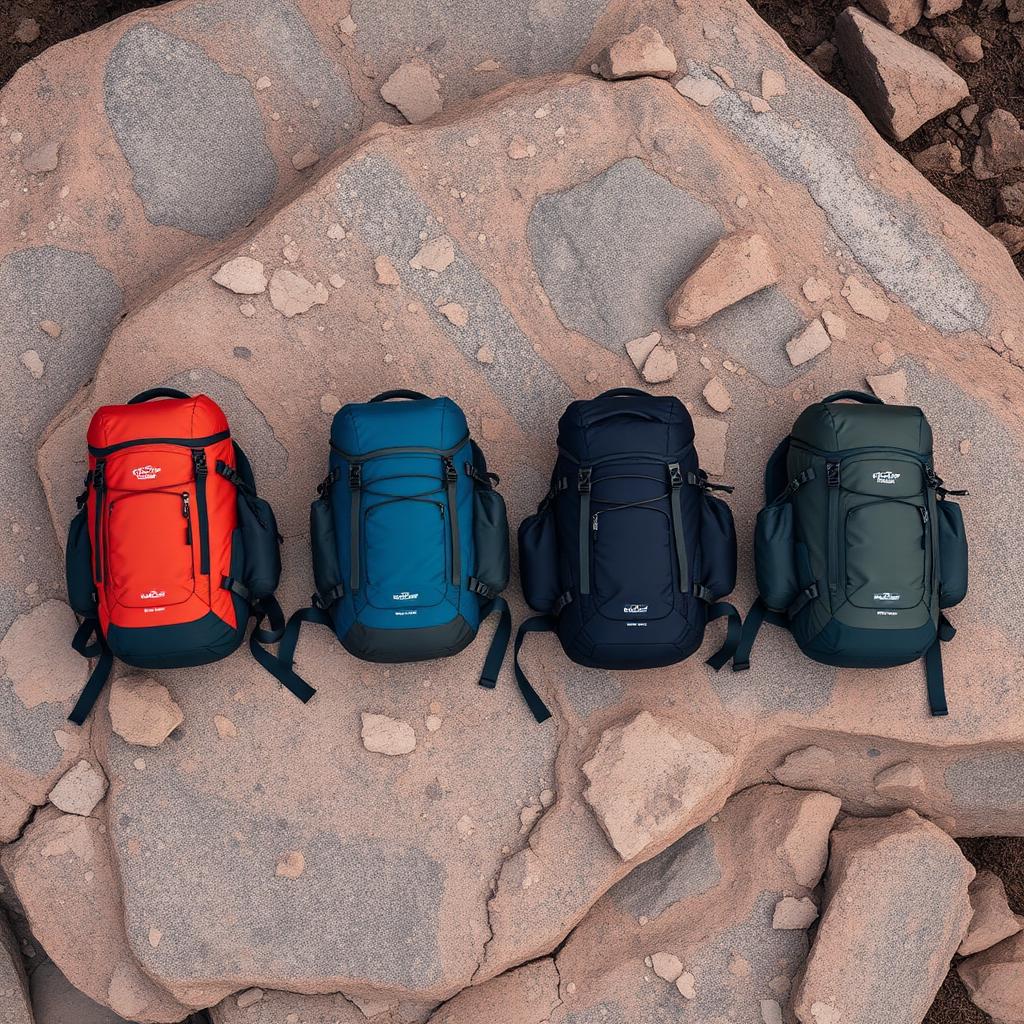
We selected four widely available frameless packs, each weighing under two pounds empty, and put them through a two-week test in a mix of Sierra granite, coastal scrub and low-elevation forest. The goal was not to find one winner, but to describe honestly what each pack does well and where it falls short.
The test protocol
Each pack carried an identical load: a three-pound tent, a two-pound quilt and pad, twelve pounds of food and water, and a small kit of kitchen and layer items. Total weight sat between eighteen and twenty-two pounds depending on the day, well within the design envelope of every pack in the test.
We rotated packs each morning, walked between ten and eighteen miles per day, and rated them on carry comfort, load stability on off-camber terrain, ease of packing, and long-term wear on high-abrasion points.
Pack A: the roll-top classic
Pack A is the archetypal ultralight roll-top: a single main compartment, mesh side pockets, a stretchy front stash pocket, and a simple hip belt with two small pockets. Its virtue is simplicity. Packed with a foam pad against the back panel, it carried up to twenty-two pounds without complaint.
Its limitation is the hip belt, which is thin enough that it functions more as a stabilizer than a true load-transfer belt. Above twenty pounds, we felt the load on our shoulders. Below eighteen, it disappeared.
Pack B: the removable-frame contender
Pack B blurs the line between frameless and framed by including a thin, removable aluminum stay. With the stay in, it carried the twenty-two-pound test load more comfortably than any other pack in the group. With the stay out, it dropped nearly four ounces and behaved much like Pack A.
For campers who occasionally push their loads higher — a resupply-heavy stretch, or a shoulder-season trip with more insulation — the ability to add a stay for a week is genuinely useful. As a full-time frameless option it is heavier than it needs to be.
Pack C: the DCF fabric pack
Pack C uses a Dyneema Composite Fabric shell, which is waterproof, extremely light and expensive. It packed the smallest of any bag in the test, an advantage on cluttered trailheads and in cramped hut lofts. Its shape holds well even when partially empty, thanks to the fabric's stiffness.
The trade-off is abrasion. After ten days of brushing against granite and manzanita, the front stash pocket showed visible wear. DCF is not fragile, but it is not indestructible either, and campers who habitually set their packs down on rock without a mat should factor in a shorter useful life.
Pack D: the value pick
Pack D is made of a burly ripstop nylon and costs about a third of Pack C. It is the heaviest bag in the test by a few ounces, but it is also the most durable and the easiest to recommend to a camper trying a frameless pack for the first time.
Its main compartment is generous, its hip belt is the widest of the group, and its price leaves budget for a good quilt or a tent upgrade. If you are not sure whether frameless carrying suits you, this is the pack to buy.
Choosing between them
For sub-twenty-pound weekends, any of these packs will work. Above twenty pounds, Pack B's removable stay is the honest answer. For minimalist thru-hikers, Pack C's fabric is a small luxury that pays back in packability. For everyone else, Pack D is the pack that will introduce you to frameless carrying without asking you to make expensive commitments.
The larger point is that frameless is no longer a fringe category. It is a mature part of the pack landscape, and the four bags in this test represent, together, one of the more satisfying pieces of camping gear you can put on your back.