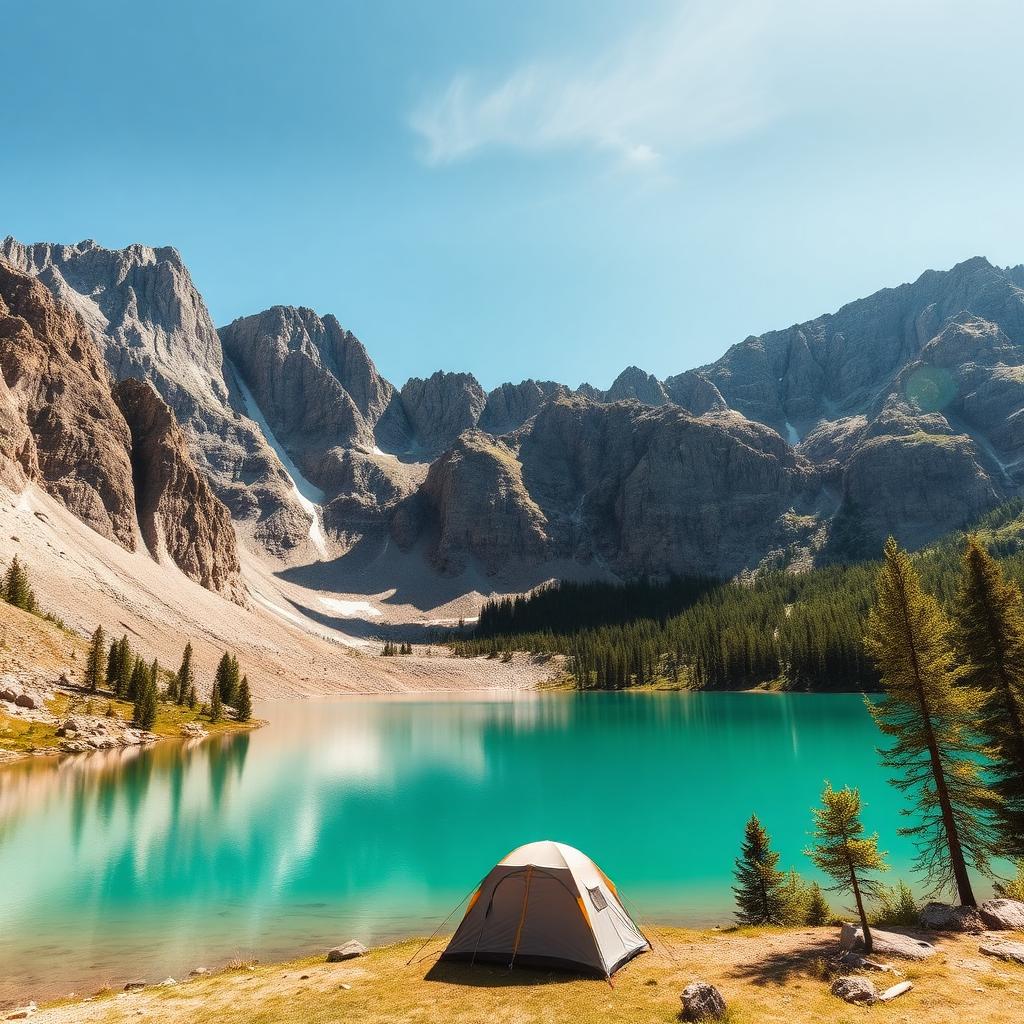
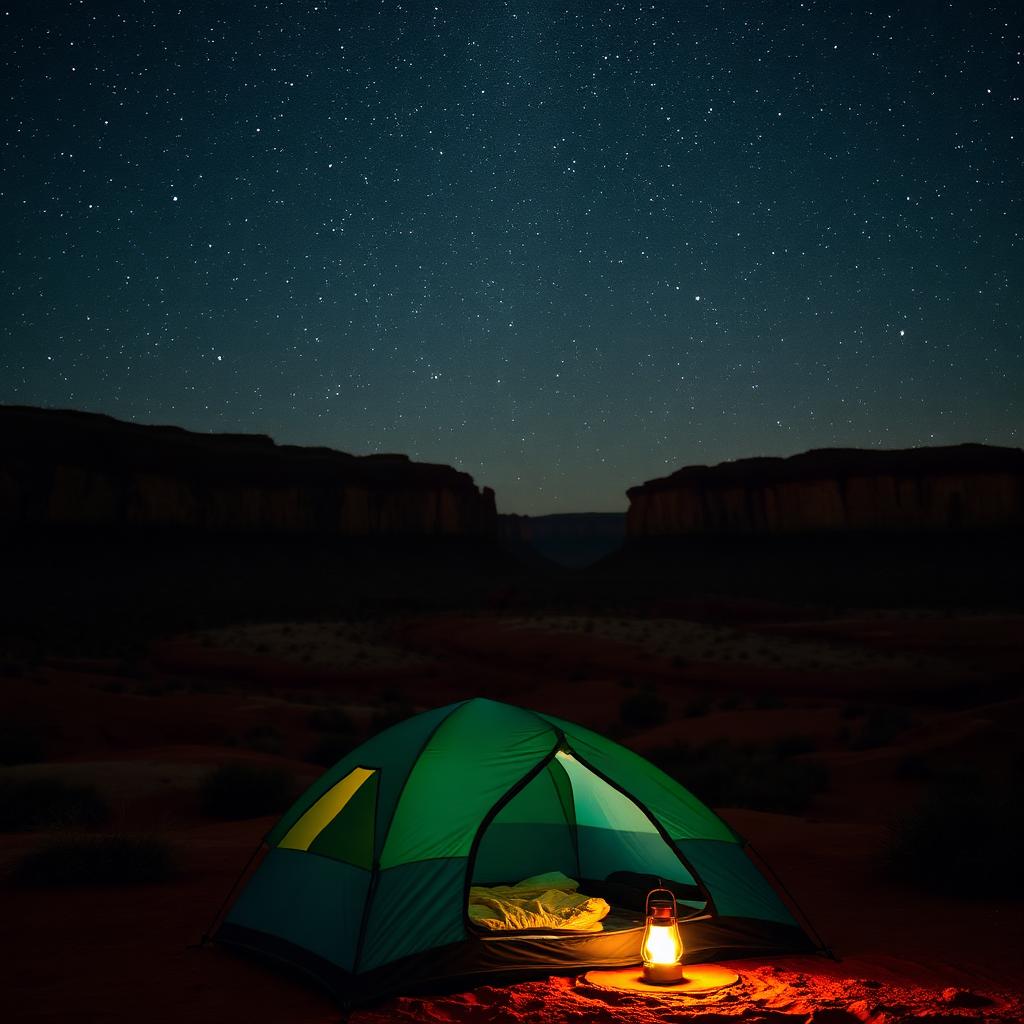
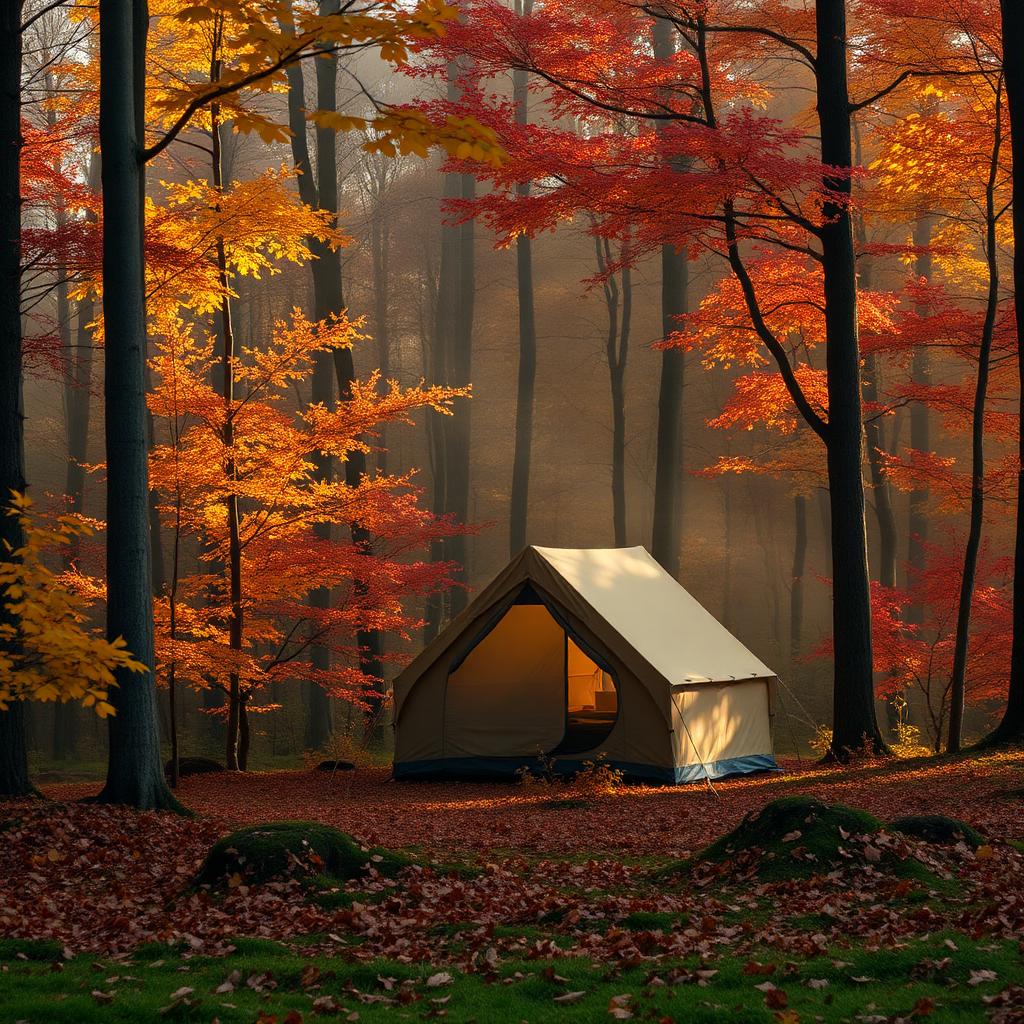
Gallery: Winter Camping in the Northern Forests
A visual essay on winter camping in the great boreal forests of Scandinavia and North America, and a short reflection on why we go outside when almost no one else does.
Published
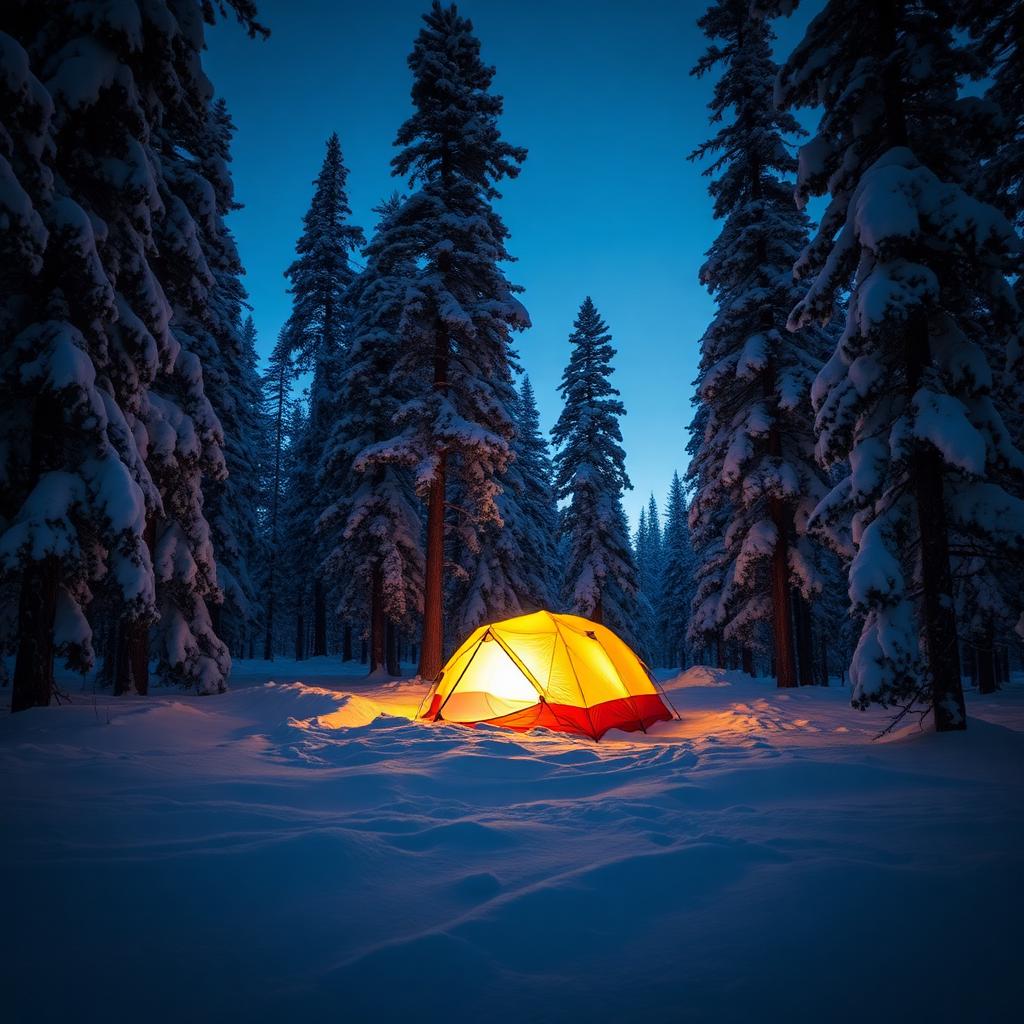
Winter camping in the great boreal forests is a small, quiet activity that most campers never try, and the ones who do tend to keep doing it for the rest of their lives. There is a particular quality to a snowy spruce forest at twilight, when the sun is already gone and the sky above the treetops is a deep, saturated blue, that seems to reward the effort of getting there in a way that no summer campsite quite matches.
The light
In February at fifty degrees north, the useful daylight is short — perhaps eight hours between a lingering dawn and a slow, blue-hour dusk. That constraint, more than the cold, is what shapes a winter camping day. Camp is made in the last hour of light, dinner is cooked in headlamp, and the long evening in the tent becomes the actual center of the trip rather than the interstitial pause between hikes.
The silence
Snow absorbs sound in a way that no other landscape does. A boreal forest under a fresh snowfall is quiet in a way that is difficult to describe to anyone who has not stood in one; conversation feels intrusive, and the rustle of a jacket seems loud. It is the closest most of us come, in ordinary life, to genuine silence.
The gear question
Winter camping is often described as expensive and technical, and while some of the equipment is specialized — a four-season tent, a winter-rated sleeping bag, a proper insulated pad — a surprising amount of it is simply the good three-season gear used carefully. The single most valuable investment for a new winter camper is not more expensive equipment but a night or two of practice in the backyard or a very short trip close to home, learning what works before committing to a longer excursion.
Cooking in the cold
Canister stoves lose performance in serious cold; liquid fuel stoves work reliably to well below minus twenty. Water is scarce and must generally be melted from snow, which takes far more fuel than most first-time winter campers expect. A generous fuel margin is not a luxury.
Meals become simpler and heartier. There is no reasonable way to fry an egg at minus fifteen; there is a very reasonable way to boil water into a bowl of instant polenta with cheese, and that meal tastes better in a cold tent than it has any right to.
Why we go
The honest answer is that a winter camp in the boreal forest offers a specific kind of clarity that is difficult to find elsewhere. The temperature turns every task into a small deliberate act; there is no ambient chatter of a busy campground, no phone signal, no queue for the trailhead. What is left is the tent, the stove, the trees, and a very long, very quiet evening in which nothing needs to be optimized.
For the campers who develop a taste for it, winter in the northern forests becomes a kind of secret season — cold, demanding, and utterly worth the effort. The photographs in this gallery are a small attempt to communicate why.
A short field note on Leave No Trace in winter
Winter's forgiving surface can create the impression that anything goes: footprints vanish, ashes are buried by snowfall, and human waste freezes and disappears. It is an impression only. Come spring, everything left behind emerges intact. Pack out all trash, use established fire rings only where legal, and carry a small trowel and bags for waste even when it feels ridiculous to do so on a bright, cold morning in February.