Photo Essay: Alpine Lakes at Summer's Peak
Ten mornings at ten lakes above eight thousand feet. Notes on light, on weather, and on the small camping habits that made each shot possible.
Published
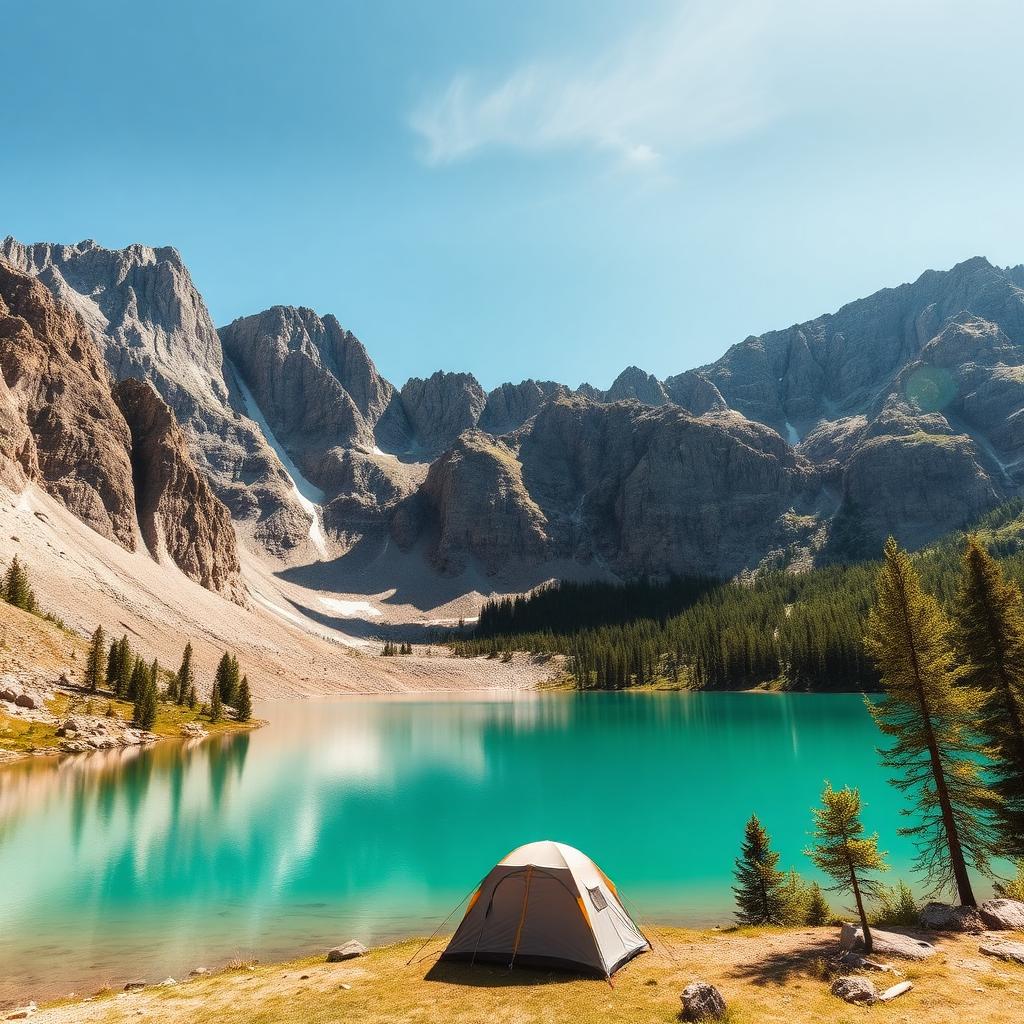
This essay collects ten mornings from a single summer spent moving between alpine lakes across the American West and the Canadian Rockies. Each morning is a story about light, about weather and about the small camping habits that made it possible to be in the right place with a camera ready.
Morning one: still water at dawn
A shallow tarn at nine thousand feet in the Sawtooth Range. Camp had been set the previous evening in a light drizzle, and I had almost decided to sleep in. A dawn alarm at five a.m. showed calm air and a mirror-flat lake, with the summit ridge lit pink by the first sun. The lesson was that setting the alarm regardless of the evening weather is almost always the right call.
Morning two: mist over Grinnell Lake
Glacier National Park's Grinnell Lake catches mist off the still-melting glacier above it, and the mist behaves differently every hour. On the morning that produced the best image of the trip, the mist was thick at six a.m., lifting to reveal the lake in patches at seven. Patience with a warm drink was the entire technique.
Morning three: reflection at the outlet
A small lake in the Wind River Range with an outlet stream flowing gently to the west. Standing waist-deep in the outlet at dawn allowed a composition that included the whole reflected massif with the stream leading the eye out of the frame. Cold feet were unavoidable; a set of neoprene socks would have been worth their weight.
Morning four: the coldest morning
A lake at ten thousand five hundred feet in the Colorado Rockies during a cold snap in late August. The lake had a thin film of ice at dawn that broke up in the first sun. The best image caught the moment when the ice was still whole in the shadows and open in the sun, with steam rising from the sunlit water.
Morning five: color at first light
A lake in the eastern Sierra during a wildfire season, when the smoke turned every sunrise magenta. The image was the easiest of the summer to make and the hardest to feel good about; the beauty came from an ecological crisis. Every alpine photographer working in the West now confronts this trade-off.
Morning six: cloud over the ridge
A weather morning at a lake in the Uintas, with cloud spilling over the ridge and dropping in a slow waterfall of vapor into the lake basin. Camp had been made in a slightly protected pocket, which mattered: the wind on the ridge was substantial, and a fully exposed camp would have been miserable.
Morning seven: after a storm
A morning after a violent thunderstorm at a lake in the Sierra Nevada. The sky had cleared to a hard blue, but the meadow around the lake still glittered with residual water. The image was made handheld from the tent door before I had put on shoes; sometimes proximity to the camera matters more than the camera itself.
Morning eight: golden larches
A lake in the Bugaboos in late September, with a shore ring of larches at peak color. Camp was tucked into the trees for shelter; a five-minute walk to a slightly higher shore gave the composition. Scouting the previous evening at last light saved twenty minutes of confusion in the pre-dawn.
Morning nine: fog and the tent
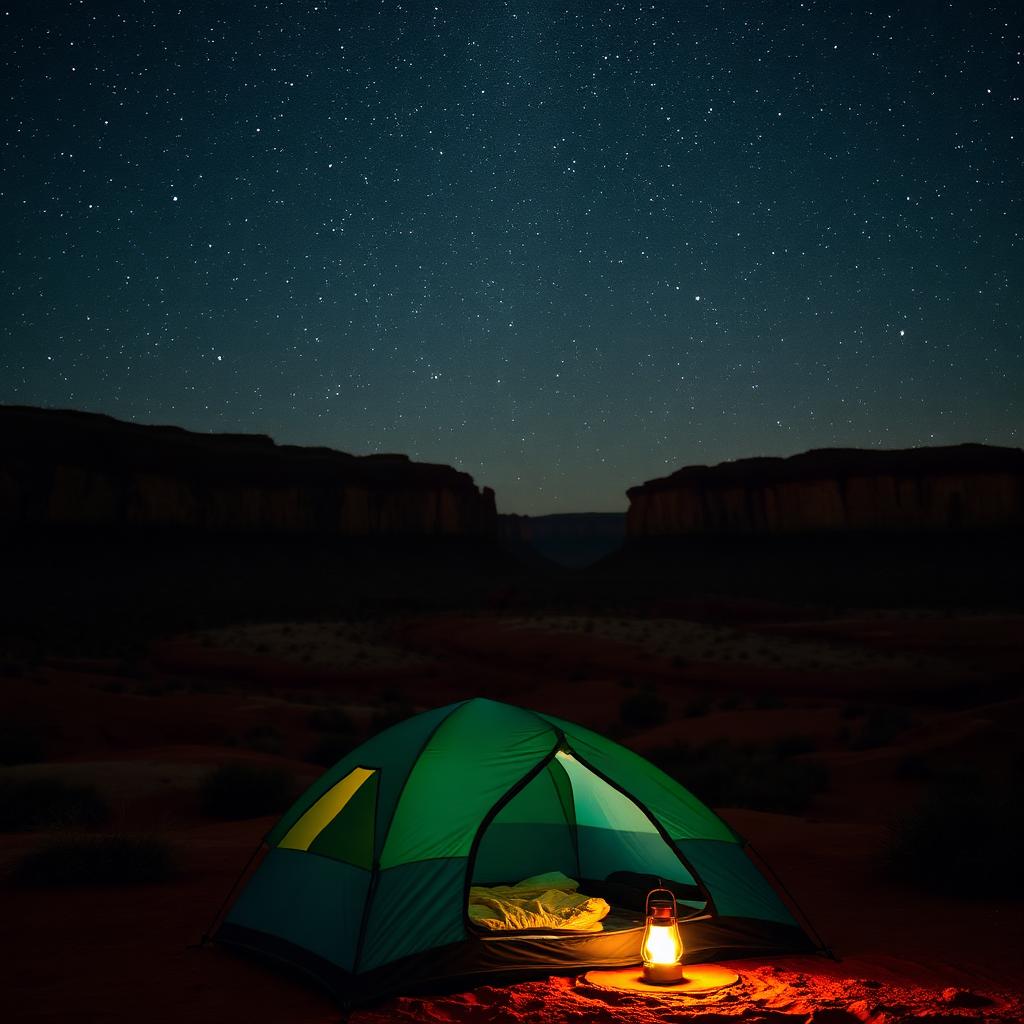
A lake in Yoho National Park where an inversion had trapped fog in the basin overnight. The best image included the tent itself, warmly lit from within by a headlamp, with the fog just beginning to lift. Photographing your own camp is worth doing when the conditions merit it; a well-lit tent is one of the most evocative subjects available.
Morning ten: quiet water and no image
The last morning of the summer, at a small unnamed lake north of the Beartooths, produced no image worth publishing. The light was flat, the water was ordinary, and after twenty minutes I put the camera away and drank coffee. The best mornings and the ordinary ones both count as camping; only some of them count as photography.