Photo Essay: The Camp Under the Stars
A year of night-sky camping images, and the small routines that made each one possible.
Published
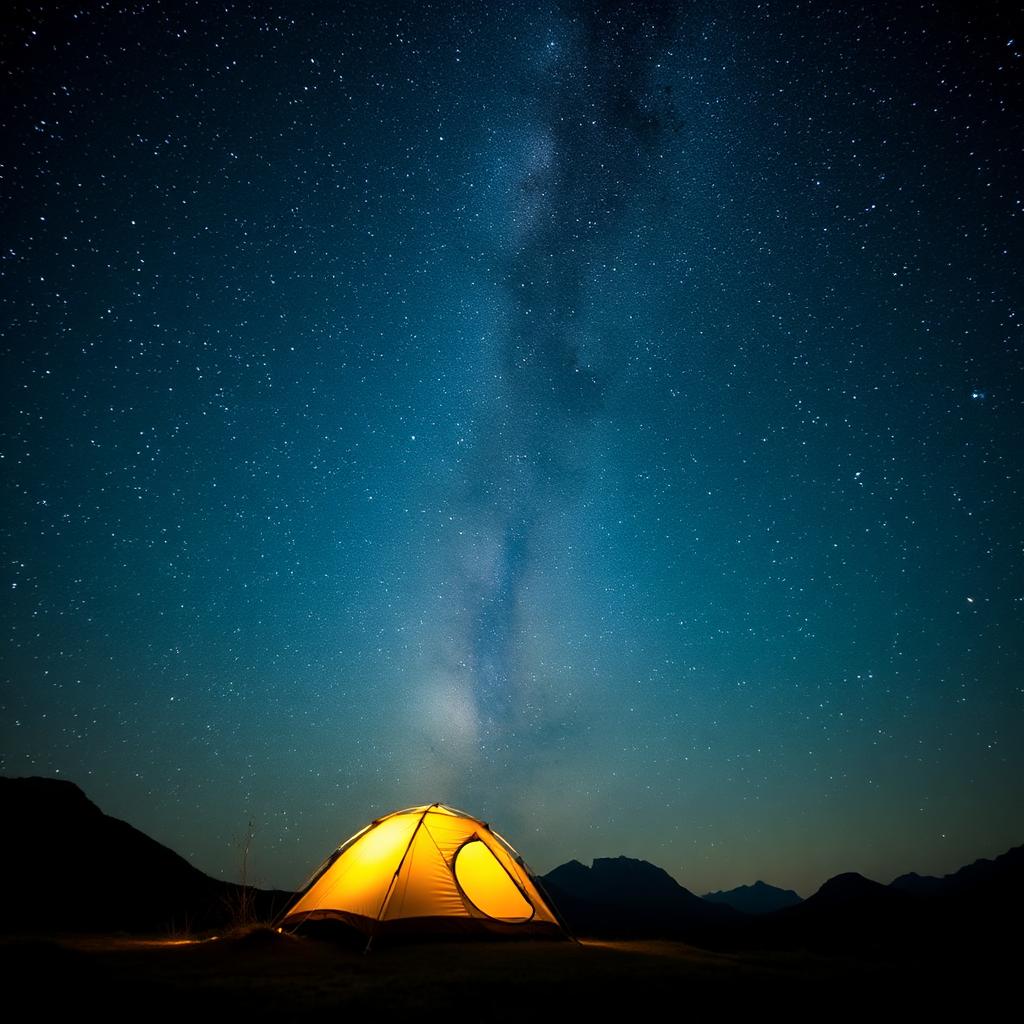
This essay collects a year of night-sky camping images from twelve trips in four countries, along with a note for each about what the camping evening looked like around the moment of the photograph. Night photography is often taught as a solitary and technical pursuit; in the camping context it is almost always social, and the images are better for it.
January, Chilean Patagonia
A camp in the Torres del Paine after a day of wind. The wind died just after dark, the sky cleared, and a group of three of us set up cameras on the moraine below the towers. The image that survived the trip caught the Milky Way's southern portion above the granite spires with a headlamp gently illuminating a fellow camper's tent.
March, the Chilean Atacama
The Atacama's dark skies are the best in the world, and the desert camps there produce images that feel almost artificial in their intensity. A camp near San Pedro caught the galactic core almost directly overhead in a way that a northern-hemisphere photographer never sees. The technical work was easy; the reason to be there was the sky itself.
May, the Utah desert
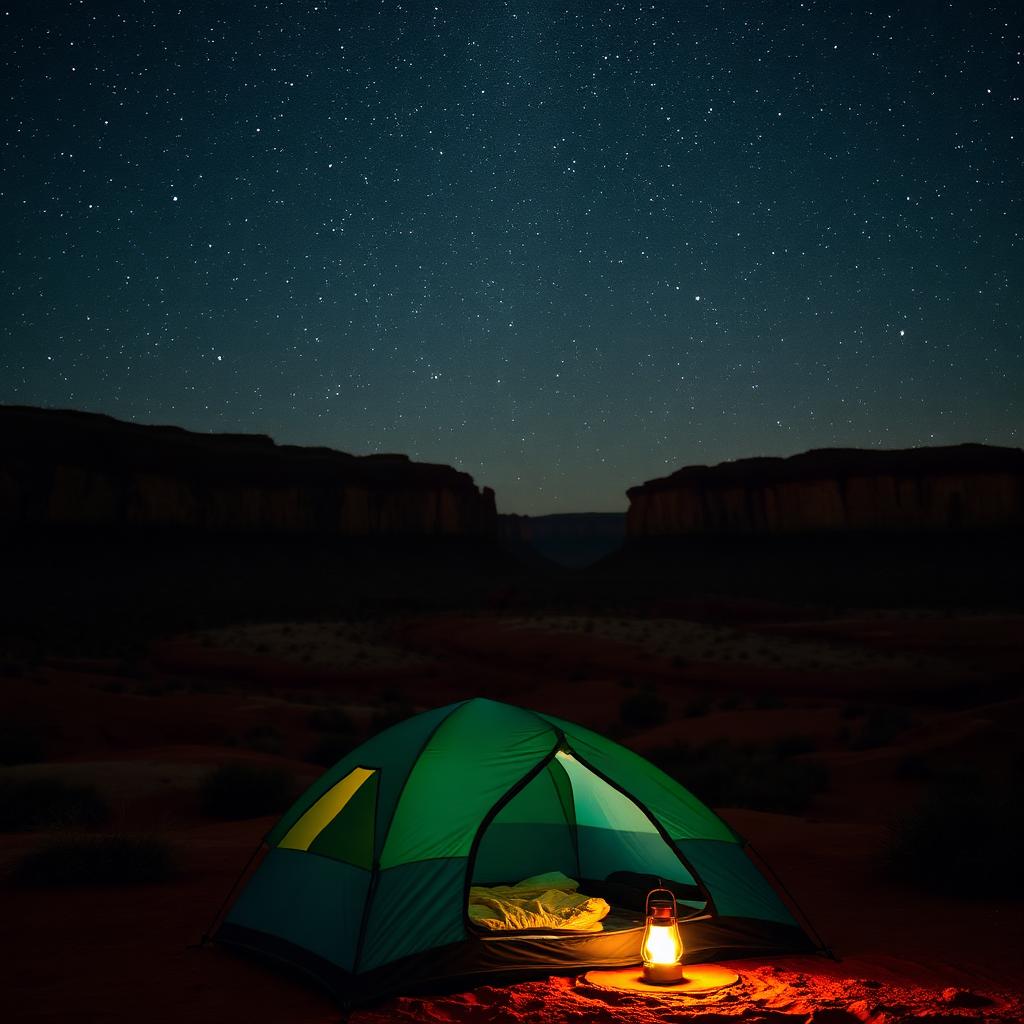
A camp near Bears Ears in the shoulder season, when nights were cold enough to keep other campers away. The image caught the Milky Way rising above a small stone arch, with two headlamps painting the arch from below during a long exposure. The composition took three attempts across two nights.
July, the Wind River Range, Wyoming
A high camp above ten thousand feet, cold enough that the water in the pot froze overnight. The image was made from the sleeping bag looking out through the tent door, with the Milky Way over the ridge and a friend's tent glowing warmly in the foreground. The tent was lit by a headlamp on a low setting inside a stuff sack.
August, Perseids in Colorado
A perseid night at a lake in the Sawatch Range. A group of five, all watching, only two shooting. The image is a stack of the ten best meteors over a single exposure of the sky, with the lake in the foreground and a shore camp glowing softly.
October, the Colorado Plateau
A canyon camp in October with a first-quarter moon setting early and leaving the second half of the night dark. The image caught the transition: the last glow of moon on the canyon rim, the Milky Way just becoming visible above. Two exposures, blended carefully.
The small habits
The single most important habit was setting the alarm regardless of the weather forecast. Half of these images happened on nights that the day's weather had suggested would be cloudy. The other half of the time I woke up, checked, saw cloud, and went back to sleep. The cost of the alarm was small; the payoff of the good nights was large.
The second habit was preparing the camera before dinner rather than after. A ready tripod, a charged battery, a pre-focused lens and a saved custom mode meant that the difference between shooting and not shooting was walking outside, not fumbling in the cold.
The third habit was accepting that camping is the point, not the photograph. The evenings that produced no images were still evenings, and often the best ones. The camera is a tool for capturing an occasional gift, not a schedule to be met.
The stars will keep turning above whatever camp you make. Set the alarm anyway.