Family Camping With Young Children: A Practical Playbook
How to plan, pack and pace a first camping trip with kids under seven so that everyone actually wants to come back.
Published
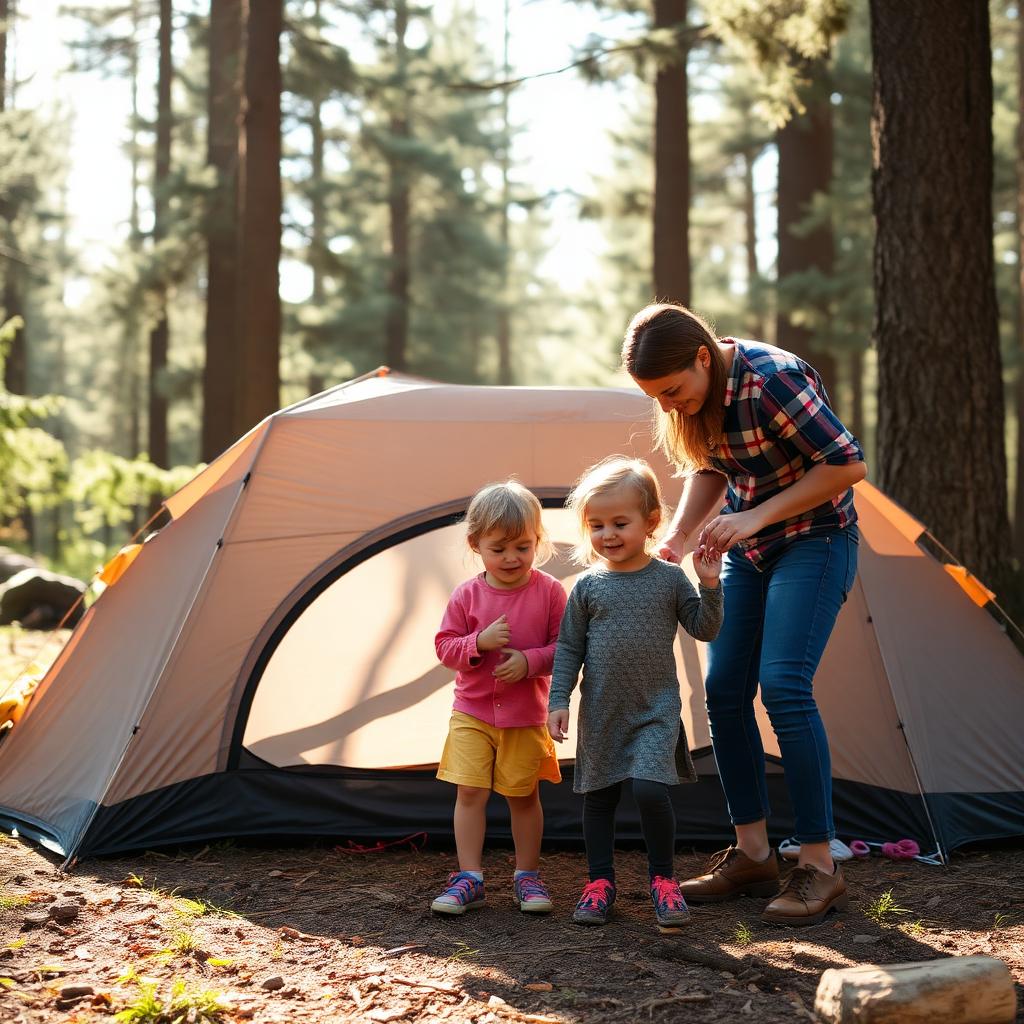
Camping with young children is a different sport from camping alone or with adult friends. It is not harder, exactly, but the constraints are different, and the trips that succeed are the ones planned around those constraints rather than against them.
Choose a forgiving campground
For a first family trip, pick a developed campground within two hours of home that has flush toilets, potable water, a nearby playground and reasonable cell coverage. This is not the trip on which to test your limits or your children's. A forgiving campground turns small crises — a forgotten sippy cup, a scraped knee, an early bedtime meltdown — into minor incidents rather than trip-ending events.
Timing beats gear
Arrive early, ideally by mid-afternoon. Small children need time to explore the campsite, meet the neighbors and burn energy before dinner. A late arrival compresses setup, cooking and bedtime into a stressful window and dramatically raises the odds of a difficult night.
Plan for early bedtimes and correspondingly early mornings. A four-year-old who normally sleeps at seven-thirty will not suddenly sleep at nine because you are outside. Bring a small book light and be ready to be in the tent with them; the extra hour of quiet reading is a gift, not a punishment.
What to actually pack
One full change of clothes per day per child, plus one extra sealed in a dry bag. Sturdy closed-toe shoes and sandals. A warm hat and a sun hat. A puffy jacket even in summer. And significantly more snacks than you think you need — cold, tired children respond to snacks in ways that no amount of adult reasoning can replicate.
For sleep, bring familiar items from home: the specific stuffed animal, the specific blanket, the same bedtime book. Novelty is exciting during the day and exhausting at bedtime; familiarity signals that it is time to sleep.
Food that actually gets eaten
Camp cooking with young children is not the place to test new recipes. Serve foods they already eat and like: pasta with butter, quesadillas, sausages, apples, carrots, cheese. Save the elaborate cast-iron Dutch oven experiments for adult trips.
One meal-simplifying trick that families reliably endorse is a big pot of oatmeal for breakfast, prepared while the coffee is brewing. It fills small stomachs, warms cold hands and produces almost no dishes.
Structuring the day
Plan one activity per day, not three. A short hike to a lake, an afternoon at the playground, a slow walk around the campground loop. Young children experience each of these as a major event. Trying to stack multiple activities usually produces a tired, tearful child by dinner and a resentful adult by bedtime.
Leave unstructured time in the middle of the day. Some of the best camping memories for children are the hours spent poking sticks in a creek or arranging rocks in a pile. Let those hours happen.
The point of it
The goal of a family camping trip is not to check off attractions or to prove anything. It is to give children a memory of being outside with the people who love them. Everything else — the gear, the food, the itinerary — is in service of that.