Building a Cold-Weather Sleep System That Actually Works
Warmth in a tent comes from a system, not a single item. How pads, bags, liners, clothing and hydration work together below freezing.
Published
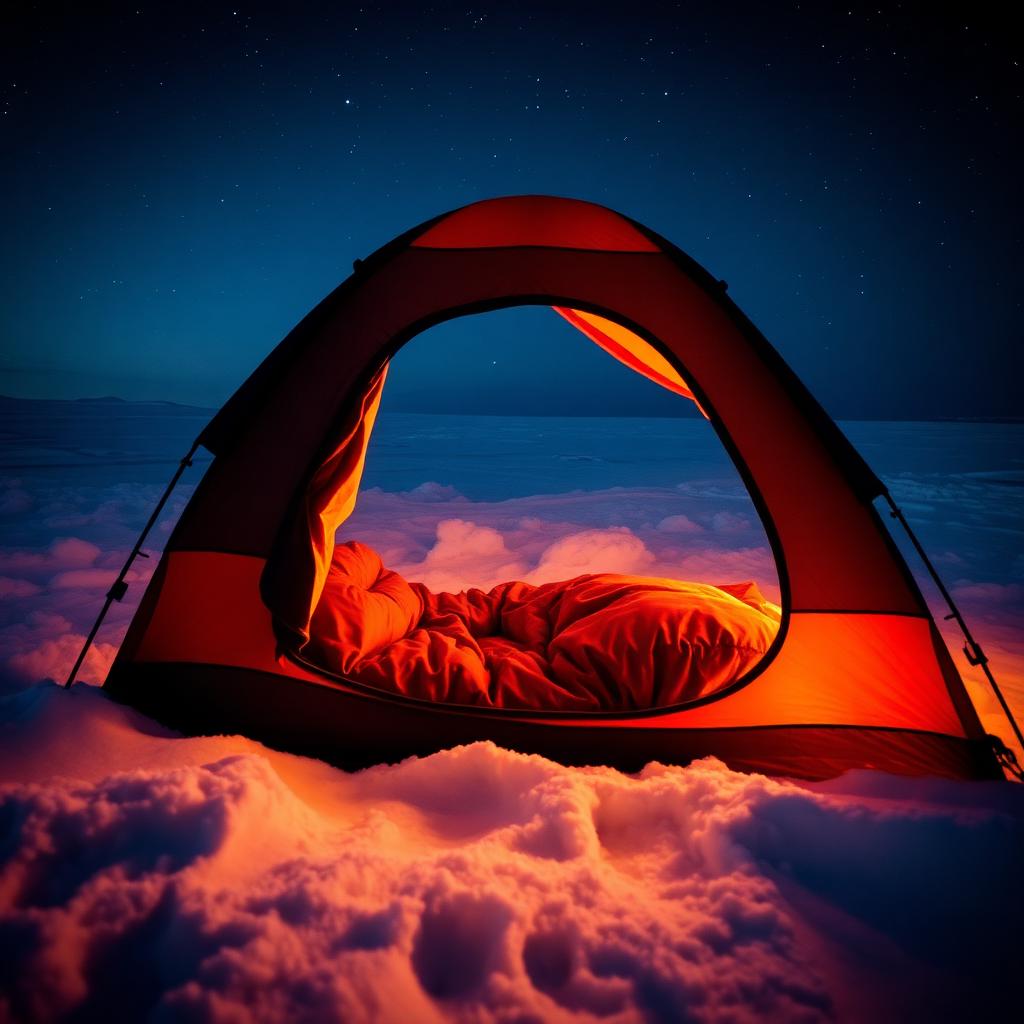
Sleeping warm in a tent below freezing is not a matter of buying a warmer bag. It is a matter of assembling a system in which each piece does its job well enough that the others do not need to compensate. This guide walks through the five layers of that system and the small habits that make them work.
Layer one: the pad
The single largest source of heat loss in a cold tent is the ground. A sleeping bag compressed under your body has almost no insulation value; that job belongs to the pad. For winter conditions, aim for a combined R-value of at least 5.0, which usually means pairing a closed-cell foam pad under an inflatable pad rather than relying on one pad alone.
The two-pad approach has two benefits beyond warmth. It reduces the consequences of a puncture, since the foam pad will keep you off the ground even if the inflatable fails. And it saves the inflatable from small stakes, twigs and frost that would otherwise threaten it.
Layer two: the bag or quilt
Rated ratings on sleeping bags describe survival, not comfort. For most people, comfort is roughly ten to fifteen degrees Fahrenheit warmer than the rated temperature. Choose a bag rated to at least ten degrees below the coldest expected night, and reserve the option to unzip if the night is milder than forecast.
Down is warmer per ounce but loses insulation when wet; treated down and synthetic bags handle moisture better. In a well-vented tent with dry snow outside, down is almost always the right choice. In humid coastal conditions or a snow cave, synthetic starts to look reasonable.
Layer three: the liner or extra layer
A silk or synthetic liner adds a modest amount of warmth and, more importantly, keeps the bag clean. Body oils compress down over time; a liner meaningfully extends the working life of an expensive bag.
For extra warmth, a light down or synthetic vest worn inside the bag adds significant core warmth without the bulk of a full jacket. Save the puffy jacket for morning coffee outside the bag.
Layer four: clothing at night
Sleep in dry base layers, dry socks and a warm hat. The single most common winter camping mistake is climbing into the bag in the same layers you wore all day; even mild sweat robs the bag of its ability to trap warm air. Change fully into sleep-only layers as one of the last acts before bed.
Layer five: hydration, calories and habits
A well-hydrated, well-fed body generates far more heat than a dehydrated one. Drink water throughout the evening even if you do not feel thirsty, and eat a small fatty snack immediately before bed. A hot-water bottle at the femoral arteries or the feet, refilled during a midnight pee break, transforms cold nights.
Vent the tent a little more than feels intuitive. Warm, wet breath condenses on the fly and drips back down, and a tent that feels well-sealed will feel much colder by morning than one with a gap of a few inches at the top of both doors.
Assemble the whole system for a shoulder-season trip before you rely on it in real winter. Small failures — a leaky pad, a bag that runs colder than expected — are much better discovered in October than in January.