Campfire Fundamentals: Safe, Legal and Actually Enjoyable
A practical primer on choosing wood, building a small clean fire, complying with local rules and putting it dead out.
Published
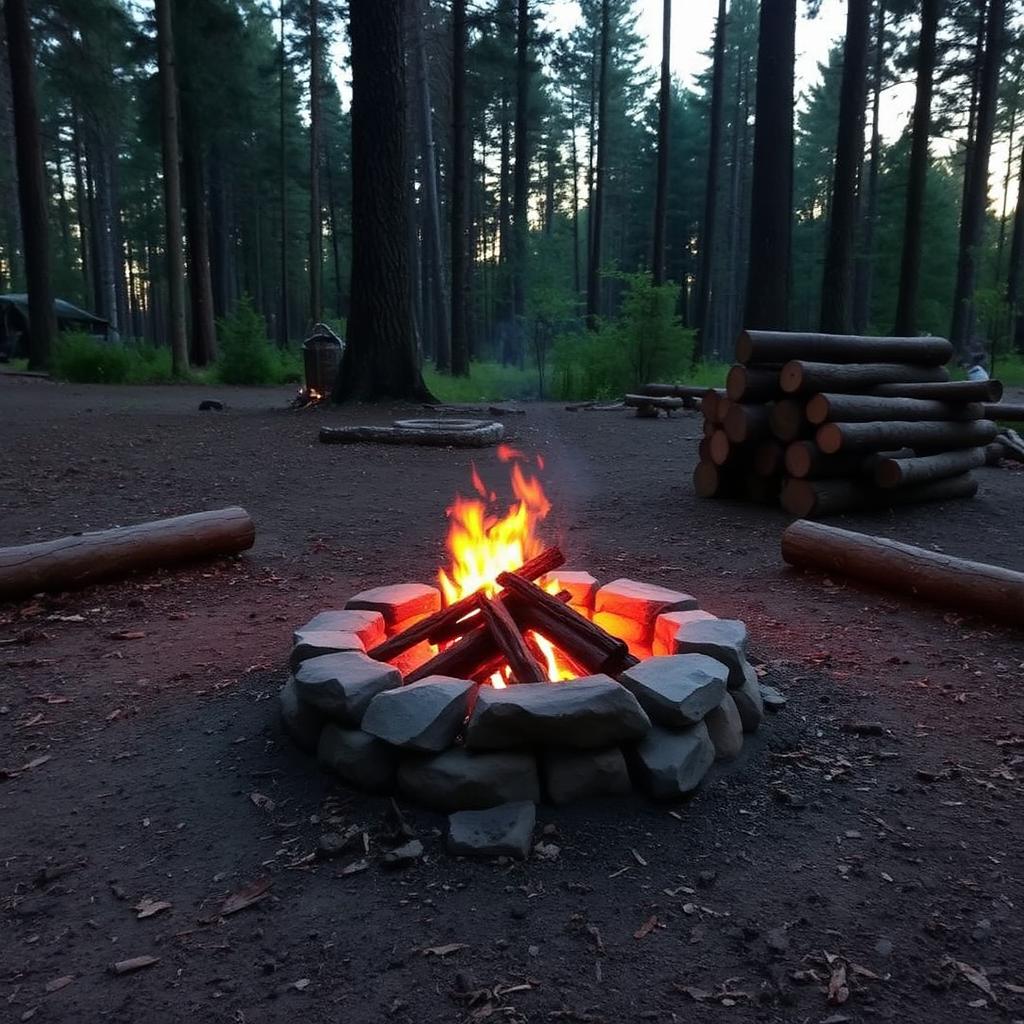
A well-built campfire is one of the small pleasures of camping. A badly built one is smoky, wasteful and, in the wrong conditions, dangerous. The good news is that the fundamentals are simple and worth learning once.
Before you strike a match
The first step happens before you leave home: check current fire restrictions for the specific unit you are visiting. Restrictions change frequently in the summer, and the fact that a fire ring exists at your site does not mean fires are legal that day. State forestry websites, the Bureau of Land Management and national forest pages each publish daily updates.
The second step is at the site: use the existing fire ring. Never build a new ring, and never build a fire on organic soil, root systems or against rocks that will scar. If no ring exists and fires are legal, use a fire pan or a mound fire on mineral soil, both of which leave almost no trace.
Wood: buy where you burn
Do not transport firewood more than a short distance. Moving wood spreads invasive insects and pathogens that have devastated forests across North America and Europe. Most campgrounds sell certified local firewood for a few dollars a bundle; use it.
Choose dry, dead-and-down wood in a mix of sizes: pencil-thin tinder, thumb-thick kindling and wrist-thick fuel. Split logs burn cleaner than round ones. Avoid green wood, painted or treated wood, and anything with foil, plastic or trash.
The build
A simple upside-down or top-down fire works better than the classic teepee for most campers. Place two or three of your largest logs on the bottom, cross-hatch smaller pieces on top, and put the tinder and kindling at the very top. Light from the top and let the fire burn downward. The result is a clean, low-smoke burn that needs almost no tending for the first thirty minutes.
Keep the fire small. A cooking fire needs to be smaller than most people expect; a social fire needs to be smaller than most people build. Small fires burn hotter, cleaner and safer, and they consume less wood.
Cooking on a campfire
Cook over coals, not flames. Wait for the initial burn to settle into a bed of glowing embers, then rake a portion aside for cooking while the main fire continues to burn down. A simple grill grate over the coals gives you excellent control; a cast-iron Dutch oven nestled into them handles anything from bread to stew.
Putting the fire out
The rule is simple: cold to the touch. Douse the fire with water, stir the ashes thoroughly with a stick, douse again, and repeat until you can put your hand into the wet ashes without hesitation. If you cannot spare that much water, you should not have built the fire.
Never bury a fire. Buried coals can smolder for days and reignite when the wind exposes them. And never, ever leave a fire unattended, even for a quick walk to the bathroom.
A campfire built with attention is a small ritual that structures a camping evening. Built without attention, it is one of the most common causes of wildfire in the world. The difference is fifteen minutes of care.