Lightweight Gear Sales Surge as New Campers Embrace Minimal Kits
Retail data shows a decisive shift toward lighter tents, quilts and stoves — driven not by thru-hikers but by weekend campers rethinking what they actually need.
Published
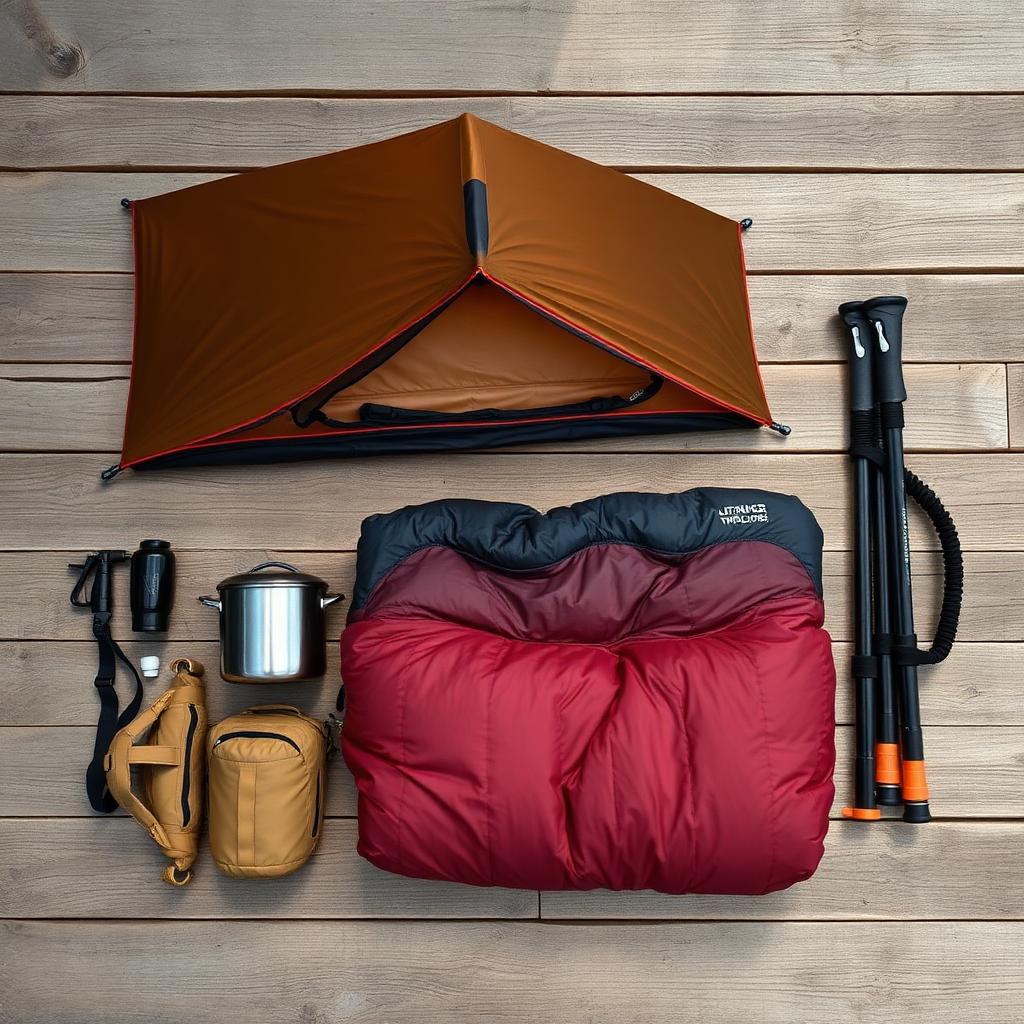
Sales data compiled by the Outdoor Industry Association shows that ultralight tents, down quilts and canister stoves grew at nearly three times the rate of their conventional counterparts in the first quarter of 2026. The surprise is not that lightweight gear is growing, but who is buying it: weekend car campers and short-trip backpackers, not the long-distance hikers who traditionally drove the category.
Weekend campers rethink the standard kit
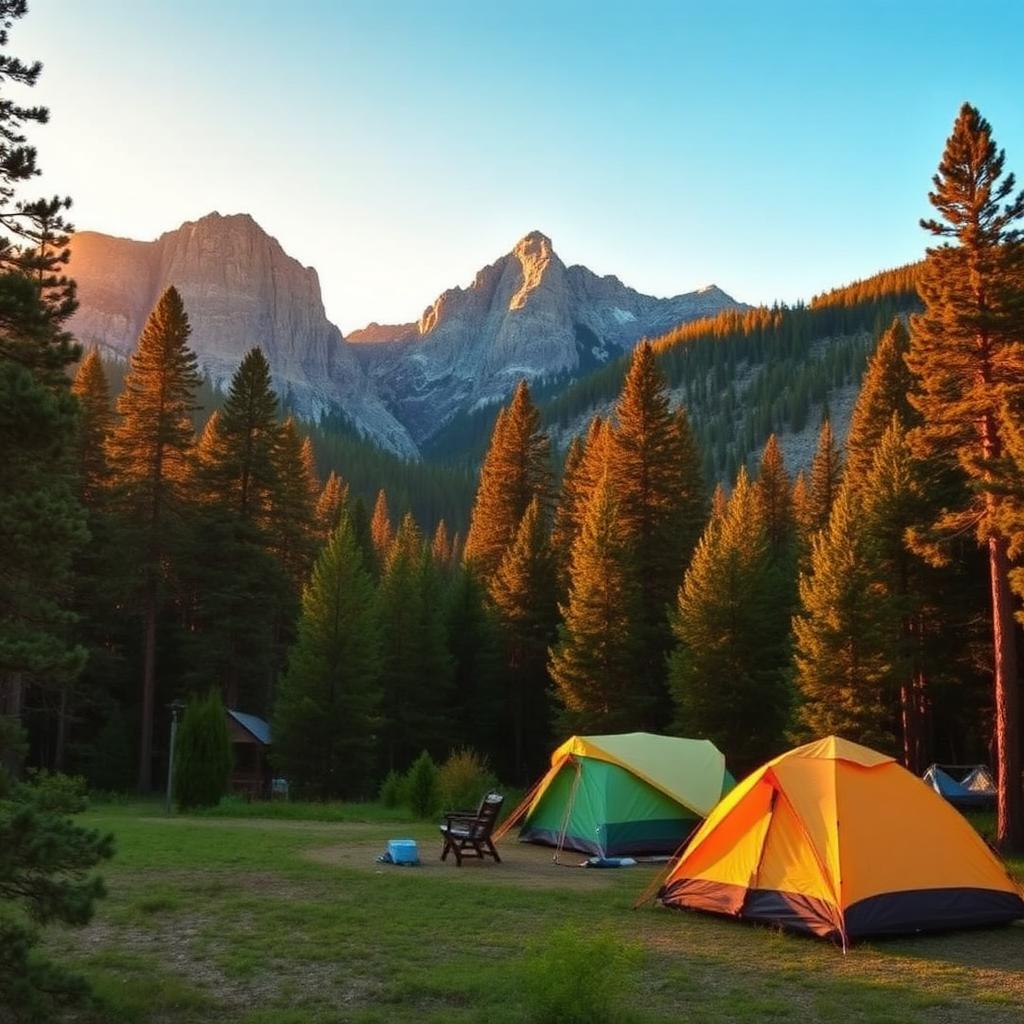
For decades, the standard weekend camping kit hovered around thirty to forty pounds per person, dominated by heavy tents, bulky sleeping bags and steel cookware. That kit made sense when trips were centered on a single base camp reachable by car, but it has felt increasingly at odds with how many people actually camp today.
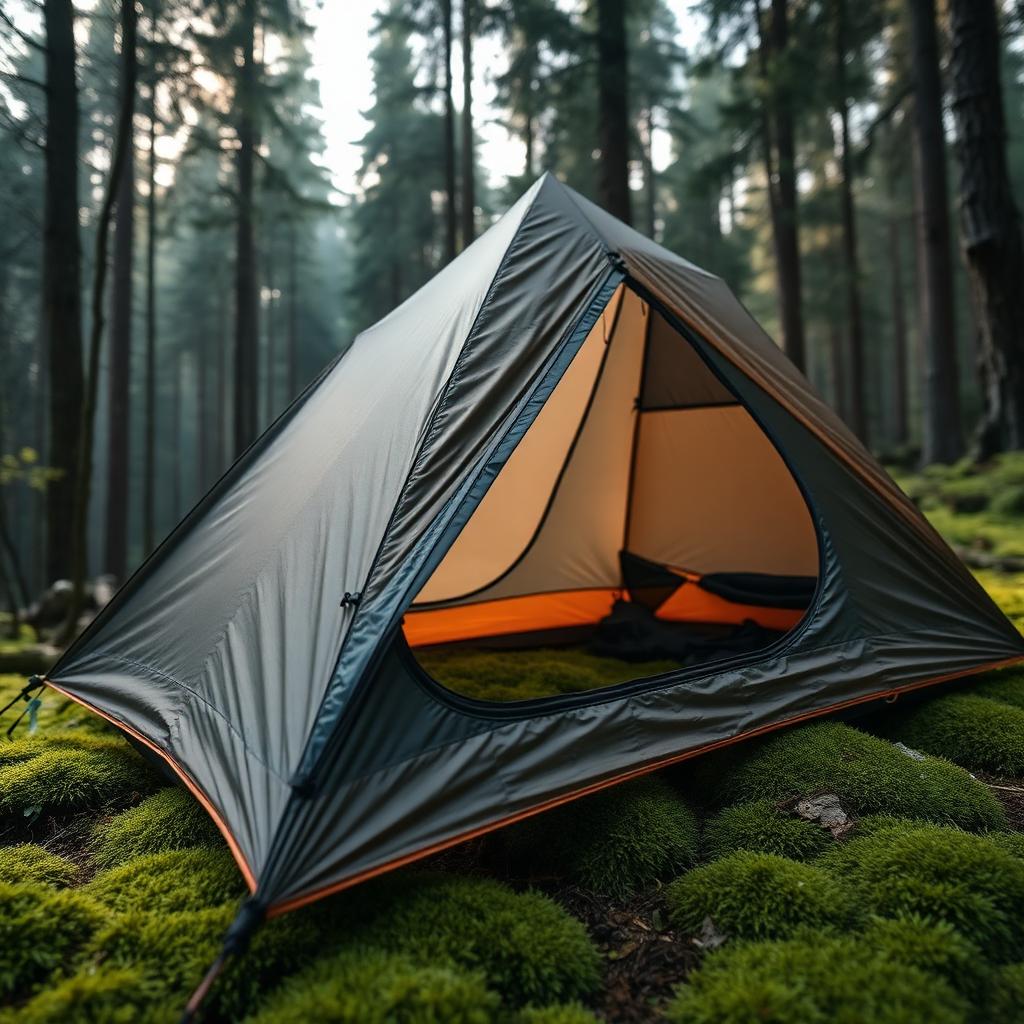
Retailers report that customers coming in for their second or third tent are consistently trading down in weight. A family who bought an eight-pound backpacking tent in 2022 is now buying a three-pound successor. The reasoning is simple: even car campers appreciate not carrying an unnecessarily heavy pack from the parking lot to the walk-in site.
Quilts move into the mainstream
Down quilts, long a niche product favored by ultralight thru-hikers, are having a mainstream moment. Retailers say quilts now account for roughly one in four insulation purchases at specialty outdoor stores, up from about one in ten just three years ago.
The appeal is a mix of weight, packability and comfort. Campers who sleep hot appreciate being able to vent the quilt, and side sleepers find the open back more comfortable than a mummy bag. The trade-off — a slightly more finicky setup, and a real dependence on a good sleeping pad — is one that more campers are willing to accept.
Stove wars: canister versus alcohol versus wood
Canister stoves continue to dominate, but not without challenge. Alcohol stoves have recovered a small but loyal share as fuel prices have fluctuated, and small twig-burning stoves have carved out a niche among campers who want to reduce their reliance on disposable cartridges.
The industry response has been a wave of new modular systems that let campers swap burners on a shared pot support, hedging against fuel availability on longer or more remote trips. Whether the modular approach becomes standard or remains a specialist choice is one of the open questions of the season.
What this means for new campers
The good news for someone starting out is that entry prices for lightweight gear have fallen significantly. A complete three-season sleep, shelter and cook system in the seven-to-ten-pound range is now available for under six hundred dollars, a threshold that would have been unthinkable in 2018.
The bad news is that the sheer volume of choice can be paralyzing. New campers are best served by borrowing or renting gear for their first few trips, then buying deliberately based on what they actually missed rather than what a review site suggested they might need someday.