Wildfire Forecasters Warn of Uneven Season Across Western Campgrounds
Federal forecasters expect a split summer: wetter conditions in the Pacific Northwest, sharply elevated fire risk across the northern Rockies and interior Southwest.
Published
The National Interagency Fire Center released its outlook for the 2026 western fire season this week, and the picture for campers is unusually uneven. A wet, cool spring across the Pacific Northwest has pushed peak fire risk in Oregon and Washington later into August, while parts of Montana, Idaho and northern Nevada are already on track for above-normal conditions by mid-July.
Two very different halves of the map
In the Cascades and coastal ranges, a heavy snowpack that lingered into May has kept fuel moistures high and delayed the traditional start of the fire season. Camping in the region should feel much like a typical early-2010s summer, with regional closures likely limited to a handful of established problem drainages rather than the wall-to-wall shutdowns of recent years.
The story in the northern Rockies is very different. A dry winter, an early snowmelt and warm May temperatures have combined to leave grasslands and low-elevation timber unusually receptive to ignition. Forecasters at NIFC expect above-normal significant fire potential across most of western Montana and central Idaho beginning in July, and continuing into September.
What this means for camping trips
Campers should assume that fire restrictions will be dynamic. What is legal on Monday may be prohibited by Friday. That includes campfires in established rings, charcoal grills and even smoking away from vehicles. Stove-only rules, once considered a mid-August intervention, may appear as early as the Fourth of July in the northern Rockies.
Anyone planning a trip to a fire-prone region should build extra flexibility into their itinerary and be willing to shift to a wetter zone. Reservations in Oregon and Washington are already filling faster than usual as travelers rebalance away from the northern Rockies, and land managers expect that trend to accelerate through June.
Practical steps campers can take
The single most valuable habit is to check current fire restrictions the morning you leave, not the week before. State forestry agencies, the Bureau of Land Management and individual national forests each publish daily updates, and information can change several times a week during a high-risk stretch.
Carry a fire extinguisher, a folding shovel and at least a gallon of dedicated water for any campfire you do build. Douse fires with water, stir the ashes, and douse them again — the vast majority of wildfires ignited by campers begin with a fire the campers genuinely believed was out.
A note on air quality
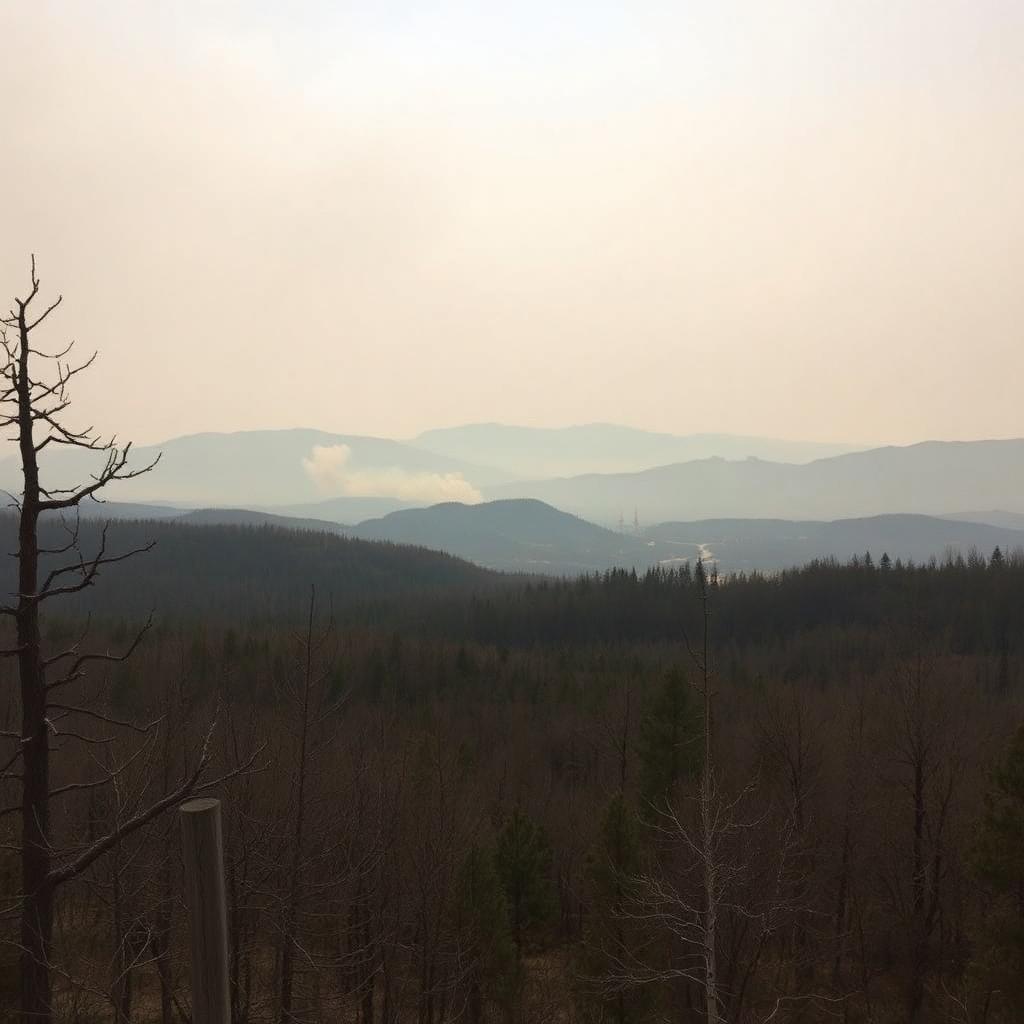
Even in regions with a lighter fire load, smoke from distant fires will continue to shape the experience of camping in the West. Campers with children, older adults or anyone with respiratory conditions should watch daily air-quality forecasts and be ready to shorten trips when AQI values push above 150 for consecutive days.
The takeaway for 2026 is that flexibility is the new fitness. The campers who have the best summers will be the ones who can pivot from a smoky northern Rockies weekend to a green Cascades weekend on twenty-four hours' notice.