US National Parks Announce Sweeping 2026 Reservation Changes
New timed-entry windows, larger backcountry quotas, and a unified booking portal will reshape how campers plan trips to the busiest American parks next season.
Published
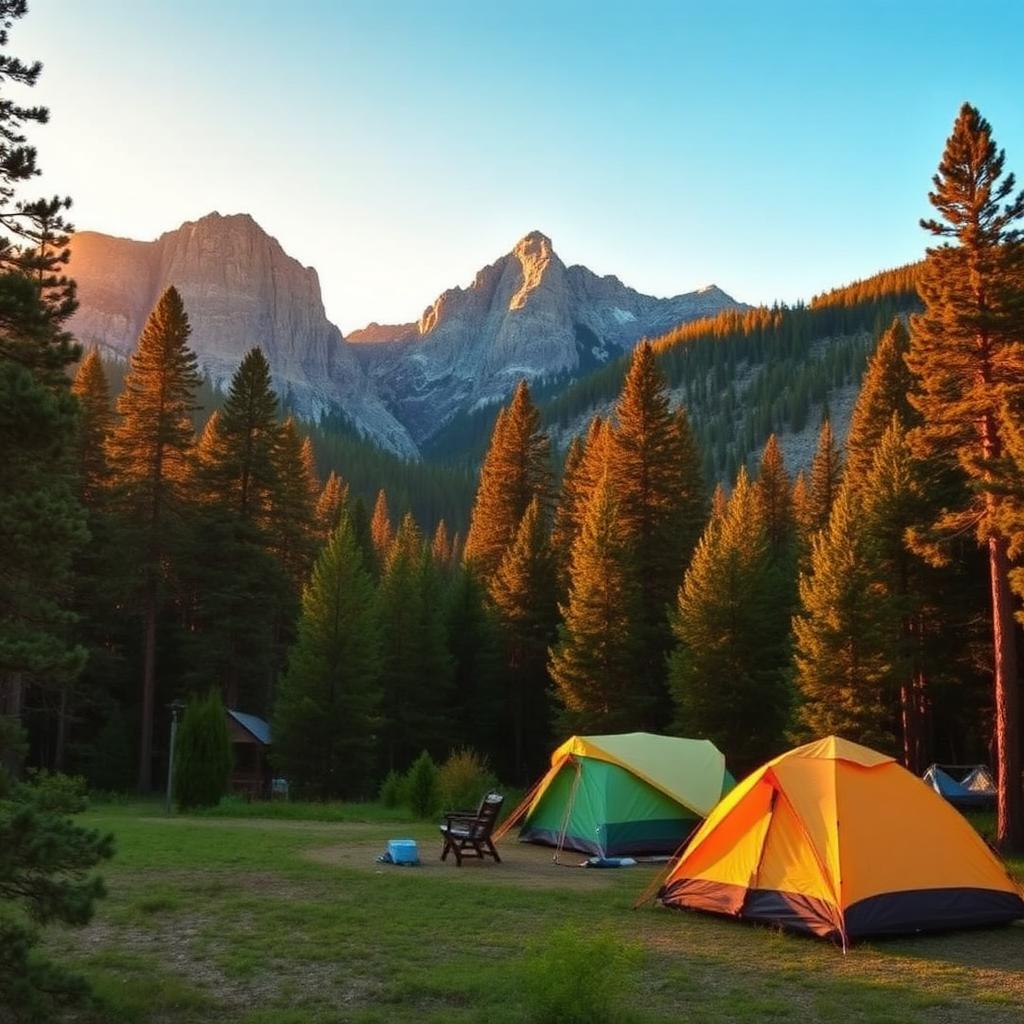
The National Park Service confirmed this week that a coordinated set of reservation changes will roll out across sixteen of its most heavily visited units in 2026, marking the largest overhaul of camping access since the pandemic-era booking surge. Yosemite, Rocky Mountain, Arches, Glacier and Zion will all move to a single reservation portal, replacing the patchwork of park-specific systems that campers have long complained about.
What is changing at the front country
Front-country campgrounds in the affected parks will shift to a rolling six-month booking window rather than the current mix of five-month and one-year lead times. Officials said the change is intended to reduce the practice of speculative bookings, in which travelers reserve multiple sites for the same weekend and cancel late. A new no-show policy will also automatically release sites after 24 hours, freeing them for walk-in campers who arrive the following day.
Timed entry windows will remain in place at parks that used them in 2025, but the windows themselves will widen. Instead of two-hour blocks, most parks will move to three-hour arrival windows, which rangers believe will spread traffic more evenly across the morning and reduce the queues that form at the busiest trailheads by mid-morning.
Bigger backcountry quotas, stricter permits
The backcountry story is more nuanced. Permit quotas in several wilderness zones will actually grow by ten to twenty percent thanks to new bear-canister requirements and expanded trailhead patrols, which the agency says will let it manage higher visitation without additional impact to fragile alpine meadows. In exchange, hikers will need to complete a short online Leave No Trace module before their permit is issued.
Group size limits will fall from twelve to eight in most wilderness zones, a change that guiding companies have criticized but that ecologists have long recommended. Off-trail travel in designated cross-country zones will still require a separate itinerary review, and rangers will be authorized to reroute parties away from sensitive nesting or denning sites without notice.
A single portal, with real customer support
Perhaps the most consequential change for everyday campers is the launch of a unified reservation portal that will consolidate campsite bookings, timed-entry passes, backcountry permits and shuttle reservations under one account. The current fragmented system, in which a family visiting three parks might need three separate logins, will be retired by early spring.
The new portal is being built with real human customer support for the first time, staffed year-round and reachable by phone during business hours in every US time zone. Campers who lose out on lottery bookings will also receive an automated notification when equivalent sites open due to cancellations, a feature that has quietly transformed several state-park systems in recent years.
What this means for planning your 2026 trip
For most campers the practical takeaway is simple: mark the exact opening date of the six-month booking window on your calendar and be ready at the moment it opens. Trips to parks that added timed-entry pilots in 2024 and 2025 will feel very similar in 2026, but the paperwork will be lighter.
For backcountry travelers, expect to spend an extra fifteen minutes on the Leave No Trace certification and to plan group trips around the new size cap. And for anyone who has ever waited on hold for a busy signal at a park headquarters, the arrival of real customer service may be the quietest but most welcome change of all.