Japan Relaxes Backcountry Camping Rules on Parts of Hokkaido
Two Hokkaido national parks will trial designated dispersed camping zones this summer, a significant change for a country where nearly all camping happens in developed campgrounds.
Published
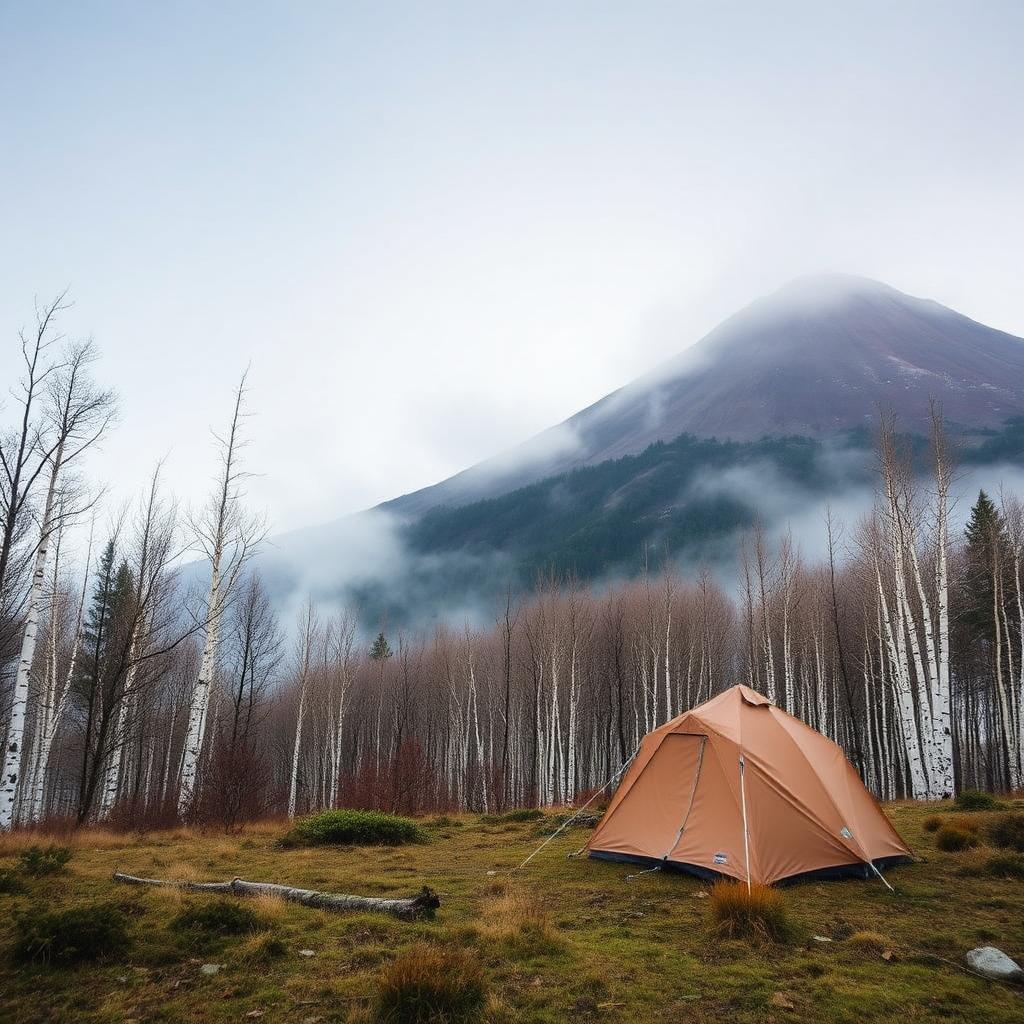
Japan's Ministry of the Environment confirmed that Daisetsuzan and Shiretoko national parks on Hokkaido will operate a two-year pilot allowing designated dispersed camping this summer. It is a modest change on paper but a striking one culturally, in a country where camping has almost always meant a serviced auto camp with reserved sites.
What the pilot will allow
Under the pilot, hikers on approved backcountry routes will be able to camp above tree line in specific zones marked on updated topographic maps. Sites must be on durable surfaces such as gravel or established platforms, at least fifty meters from lakes and streams, and completely out of sight of the main trails.
Fires will not be permitted anywhere in the pilot zones. All food, cooking waste and human waste must be packed out; the ministry will hand out compostable pack-out kits to permitted parties along with mandatory bear briefings. Hokkaido has a healthy brown-bear population, and every backcountry party will be expected to carry noise-makers and bear spray.
Why now
The change comes as long-distance walkers, especially international visitors, increasingly seek routes that let them cover ground at their own pace rather than following the traditional hut-to-hut cadence. The Hokkaido pilot is an acknowledgment that a portion of visitors will be well-served by dispersed camping even in a country with a strong hut culture.
It also reflects overcrowding at the huts themselves. Peak weekends at Daisetsuzan's most popular refuges have seen hikers sleeping in vestibules and even outside on tarps, a situation that the ministry considers unsafe when summer storms roll through the range.
Rules for foreign visitors
Foreign visitors will be welcome to participate in the pilot but will need to book a mandatory in-person orientation at the park's visitor center on the day they start their hike. The orientation is free but limited to sixty spots a day per park, and reservations open thirty days in advance through the parks' online portal.
The orientations will cover bear safety, weather patterns, water sources, waste management and the specific rules for the pilot zones. Rangers speak English and Chinese; other languages are supported through translation apps that the park has tested in the field.
The bigger picture
If the pilot succeeds, expect similar arrangements to appear in other Japanese national parks over the coming years, particularly in the alpine reaches of Honshu's Northern Alps. Japan has been quietly reshaping its outdoor infrastructure to accommodate a broader mix of visitors, and the Hokkaido experiment is a bellwether.
For campers already planning a Japan trip, the message is straightforward: check the pilot rules carefully, respect the strict pack-out requirement, and treat the opportunity as a privilege that will need to be earned by every party that steps into the zones.