The Overland Track: Tasmania's Great Wet-Weather Classic
Sixty-five kilometers through Cradle Mountain and Lake St Clair National Park, with a booking system that keeps the trail sane and the huts thoughtful.
Published
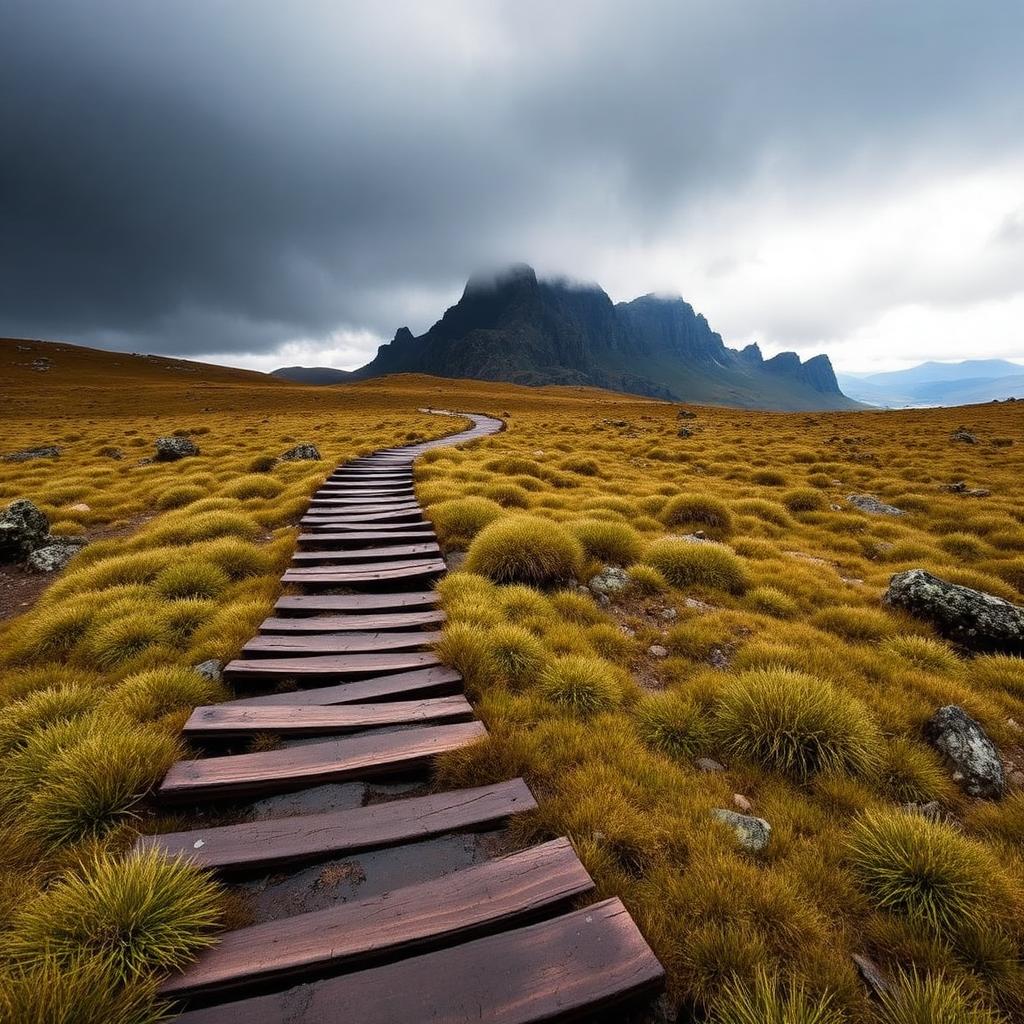
The Overland Track is Tasmania's flagship long-distance walk, a sixty-five-kilometer traverse from Cradle Mountain to Lake St Clair through some of the most spectacular temperate wilderness in the southern hemisphere. A permit system limits parties to sixty per day in the busy season, which keeps the trail from feeling crowded even at peak.
The route
Most parties walk the track in six days, staying at a mix of huts and campsites. The first day climbs quickly to the Cradle Plateau, where the classic view of Cradle Mountain over Dove Lake sets the tone for the trip. The middle days undulate through button-grass plains, myrtle-beech rainforest and past several glacial lakes.
The final day, along the western shore of Lake St Clair, is optional; a ferry service can shortcut the last eighteen kilometers. Whether to take it is a matter of taste and knee condition. The walking is beautiful but the terrain has become familiar by day six.
Huts and tents
The public huts along the track are simple: unheated, unfurnished common rooms with basic sleeping platforms. They exist to give walkers a dry space to cook and change clothes, not a comfortable night's sleep. Every party carries a tent, and most parties end up using it at least once on the trip.
The camping platforms at each hut are wooden decks with tent-tie points, keeping tents off the fragile subalpine vegetation. They are small — a two-person tent fits, a large three-person tent does not — and the more remote platforms fill first. Arrive early to secure a good spot.
Weather, always weather
The Overland Track is famous for its weather. Even in the driest summer weeks, walkers should expect at least two days of steady rain, and possibly snow. Wind above tree line can be genuinely intense. The single most important gear decision is not the tent or the pack but the rain shell and the pants.
Every party should carry a full change of dry clothes sealed in dry bags, plus enough insulation to be warm at night in a wet tent. Down bags are risky in this environment; treated down or synthetic bags are the safer choice.
Wildlife
The Overland Track's wildlife is one of the joys of the trip. Wombats graze the tussock plains at dusk, sometimes indifferent to walkers a few meters away. Pademelons emerge from the forest at night, and the whistling sound they make can be startling on a first evening. Tasmanian devils are heard more than seen, and their calls are unforgettable.
Snakes are present but rarely encountered. The main precaution is to give any snake a wide berth and not to reach into cover without looking. Bites are extremely rare on the track.
Booking and season
The booking system operates from October to May, with permits released well in advance. Off-season walking is legal but strongly discouraged for anyone without significant winter mountaineering experience; conditions are genuinely dangerous.
The best months are late January through March, when the weather is most settled and the days are still long. February is the busiest month; late March is quieter and offers the first hint of autumn color in the deciduous beech, one of the few native deciduous trees in Australia.
Come prepared for weather, respect the platforms and the huts, and the Overland Track will give you a week you remember for a long time.