Norway's Lofoten Islands: A Camper's Guide to Legal Wild Pitches
Long summer light, midnight sun and Norway's right-to-roam law make Lofoten one of the great wild-camping destinations — if you understand where the rules apply and where they don't.
Published
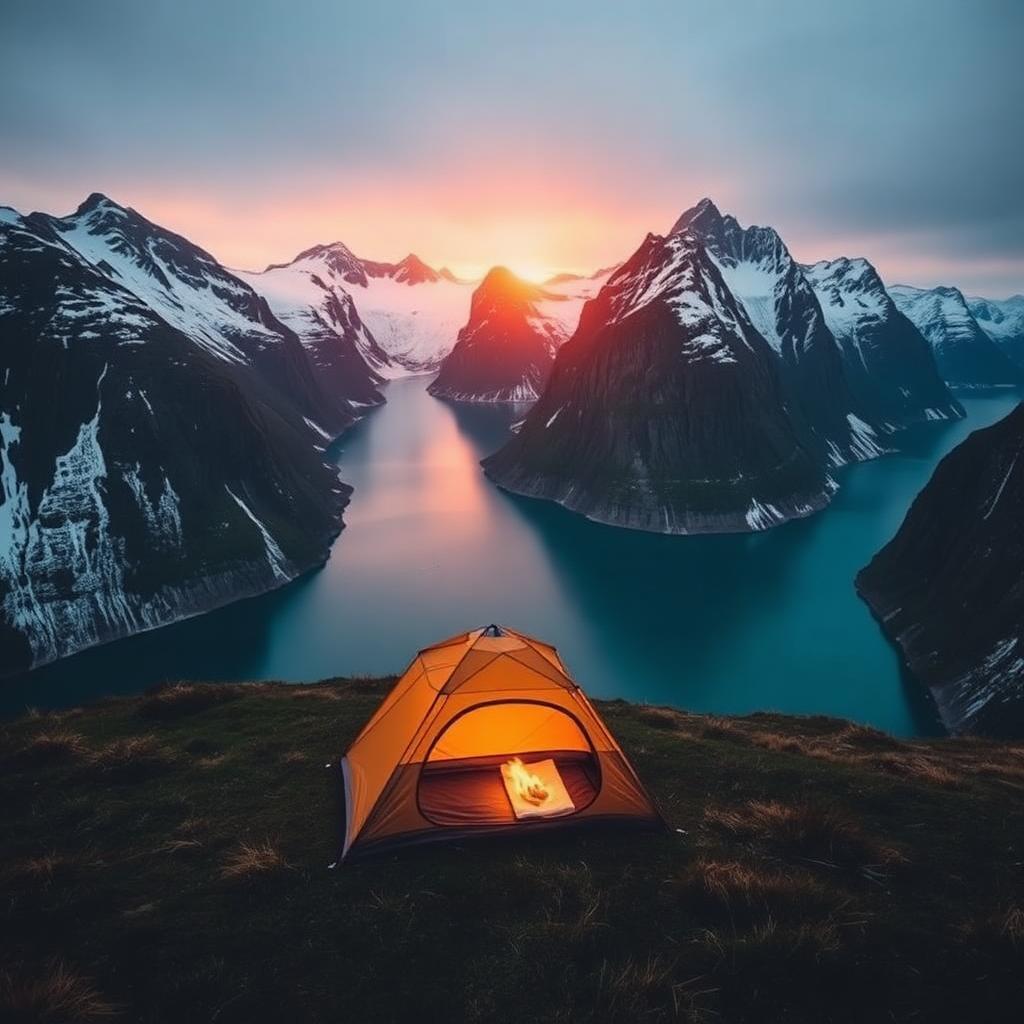
The Lofoten archipelago rises from the Norwegian Sea north of the Arctic Circle in a jagged wall of granite that looks, from a ferry deck, entirely too dramatic to be real. Its combination of open right-to-roam law, twenty-four-hour summer light and short driving distances between camps has made it a destination for wild campers from across Europe and, increasingly, from farther afield.
The right to roam, and its limits
Norway's allemannsretten grants campers the right to pitch a tent on undeveloped land, including private property, provided they stay at least one hundred and fifty meters from the nearest inhabited building. Camps must be limited to two nights in a single location unless the site is in the high mountains or genuinely remote.
On Lofoten, the practical geography narrows those rights. Almost every flat, scenic spot within a short walk of a road is close to at least one cabin, and the summer surge in visitors has led to well-publicized problems with overuse. Local municipalities have posted signs designating certain popular areas as closed to camping between May and September, and those signs must be respected.
Where to camp with a clear conscience
The best wild camping on Lofoten is not the roadside pull-off with the famous view; it is the two-hour walk to a lakeside bench or the ridgeline above a fjord where no cabins are visible. A short hike is the difference between joining a queue of ten tents and having a quiet, legal camp to yourself.
Popular staging points include the walk-in beaches at Bunes and Horseid on Moskenesøya, both reached by a short ferry from Reine followed by a two-to-three-hour hike. The Kvalvika Beach basin above Fredvang offers a similar experience without the ferry, with a well-maintained trail and plenty of legal pitches on the grassy shelf above the sand.
Established campgrounds when it makes sense
For rest days, arrival nights and stretches of poor weather, Lofoten's serviced campgrounds offer showers, laundry and warm dry space at reasonable prices. Sites at Ramberg, Uttakleiv and Skagsanden fill quickly in July but are usually available midweek and in shoulder season.
Booking is generally not required outside July and early August, but arriving before mid-afternoon is a good habit if you want a good pitch. Cash is accepted almost everywhere; most campgrounds also take cards.
Weather is the story
Even in July, Lofoten weather can turn quickly. Wind is the constant challenge; horizontal rain can arrive from any direction within minutes. Pitch with the door away from the prevailing wind, use every guy line, and consider adding rocks to your tent stakes on sandy or rocky ground where they may not hold.
Bring layers that would look reasonable at home in April. A warm hat, waterproof gloves and a genuine hard-shell jacket are not optional, even in high summer. The reward for being prepared is the quiet certainty that a passing squall is a passing squall, not a trip-ending crisis.
Water, food and Leave No Trace
Water is abundant and generally safe to drink from streams above the settled valleys, though a lightweight filter is still worth carrying. Food shopping is best done on the mainland or in the larger towns; small village shops are convenient but limited.
Every gram of trash must be packed out, and human waste should be dealt with using catholes at least seventy meters from any water source. The pressure of increased visitation makes strict Leave No Trace practice not merely polite but essential to keeping wild camping legal in years to come.
When to go
The classic window is late June through early August, when the midnight sun means you can pitch a tent at any hour and never turn on a headlamp. September brings the first hints of northern lights and a dramatic drop in visitor numbers, and is arguably the sweet spot for a camper willing to tolerate colder nights.
Whenever you go, Lofoten rewards a slower pace than the map suggests. Two islands in a week is more satisfying than five, and the camps you remember will be the ones where you chose to stay an extra night rather than push on to the next viewpoint.