Picos de Europa: Where Refuges End and Wild Camping Begins
Northern Spain's Picos de Europa mixes a mature refuge network with narrowly permitted high-altitude wild camping — a hybrid that rewards planning.
Published
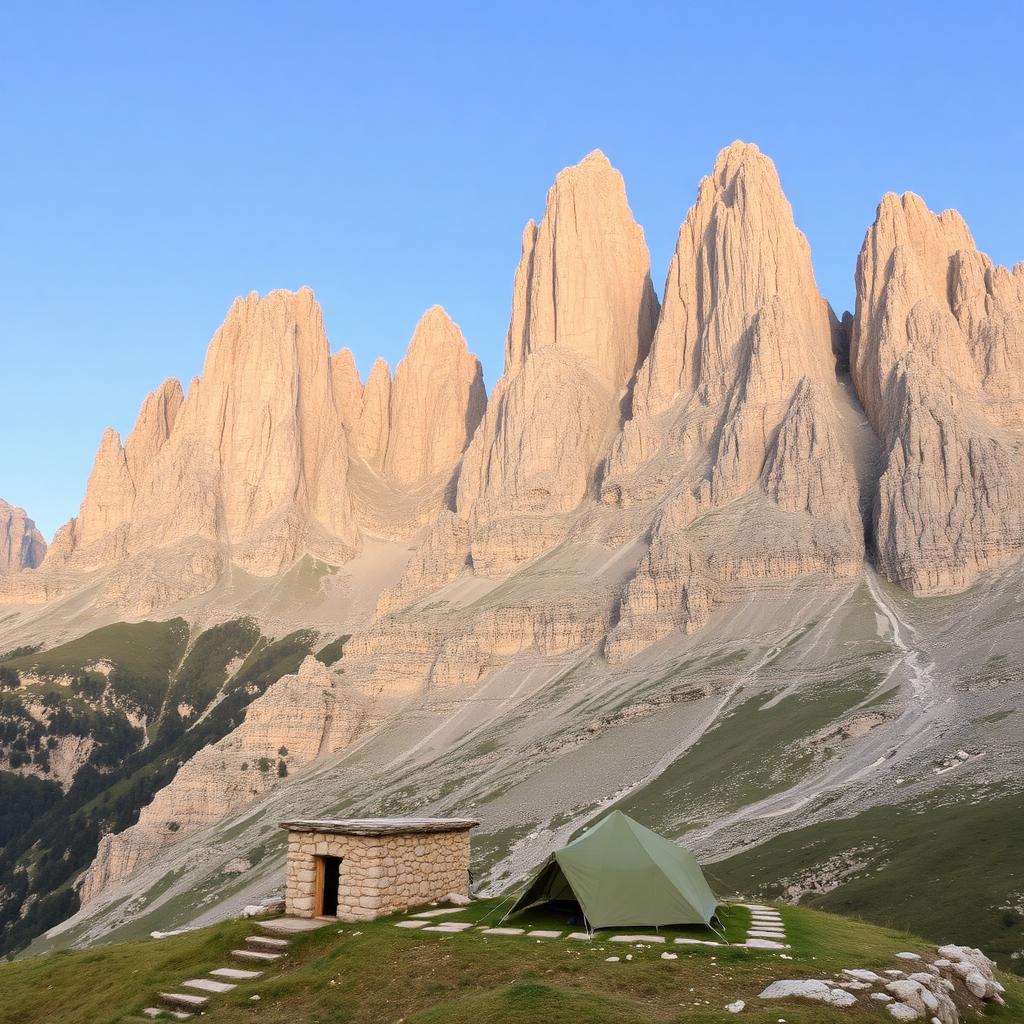
The Picos de Europa in northern Spain are one of Europe's most rewarding mountain ranges for campers who understand how to combine the region's mature refuge system with narrowly permitted high-altitude wild camping. The rules are strict, but the terrain and the food make the effort worthwhile.
The refuge network
The Picos have about a dozen staffed refuges spread across the central and western massifs, most of which serve full meals and offer bunk-style accommodation. Advance reservations are increasingly essential in July and August; even in June and September a phone call a week ahead is wise.
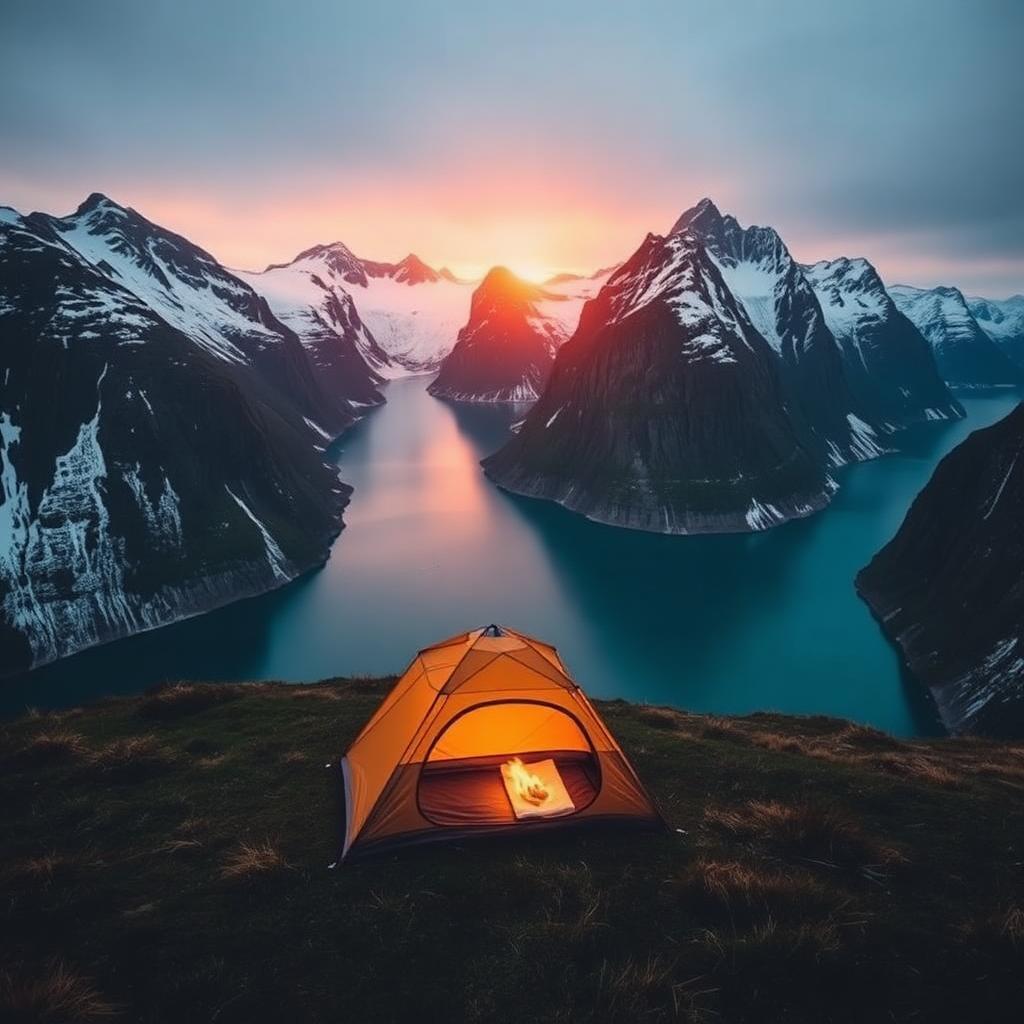
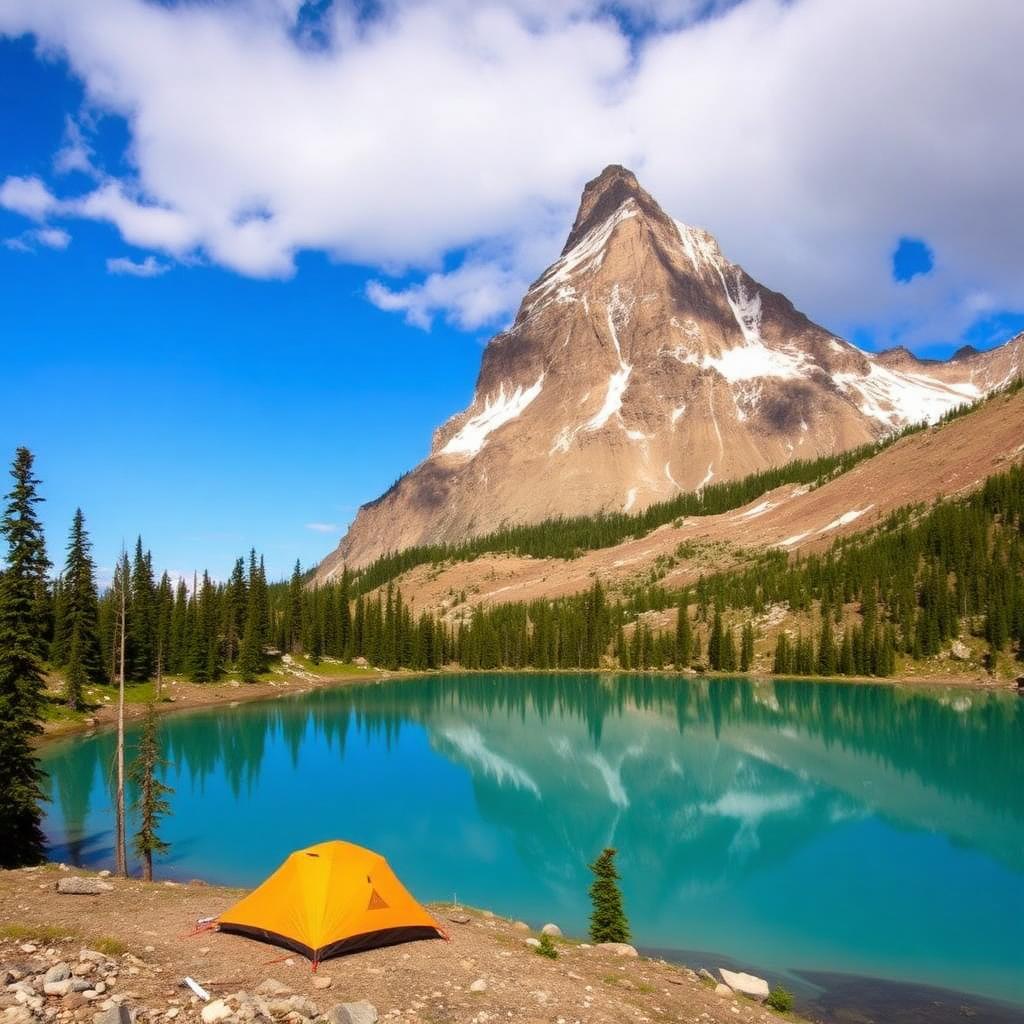
Refuge camping, which is what most of the wild-camping activity in the Picos actually looks like, is permitted in a modest zone around most refuges during specified hours. Typically tents may be pitched after eight in the evening and must be broken down by eight in the morning, with no fires and strict pack-out requirements.
The rules are not arbitrary. They exist because the massif is small, popular and ecologically fragile, and the balance between access and impact is genuinely tight. Ignoring them puts the whole permission at risk.
Suggested itineraries
For a first visit, a four-day loop centered on the Vega de Urriellu — the meadow beneath the iconic Naranjo de Bulnes — is a strong choice. The refuge there is well-run, the setting spectacular, and the surrounding day hikes range from moderate to demanding.
A longer traverse of the central massif from Fuente Dé to Sotres in five or six days shows a different side of the range: high limestone karst, deep gorges, and small isolated hanging valleys where the sound of cowbells carries improbably far.
Food and logistics
The refuges serve dinner, breakfast and sometimes lunch, all built around Asturian mountain cooking: bean stews, cheese with quince paste, and enormous slices of tortilla. Vegetarian options are usually available with a day's notice. Water at the refuges is treated and safe.
For campers who prefer to cook, resupply is possible only at trailheads and villages, not at refuges. Fuel canisters are available in the larger regional towns but not always in the villages closest to the mountains, so bring what you need for the whole trip.
Weather
The Picos catch weather off the Bay of Biscay with startling speed. Even in July, a bluebird morning can become a full storm by mid-afternoon. Pack for rain and cold at any elevation above two thousand meters, and be willing to change plans quickly.
Cloud inversions are a feature of the range. Some of the most memorable moments in the Picos come from waking above a sea of cloud that fills the valleys below. Others come from being inside the cloud for three days and seeing nothing.
Access
The Fuente Dé cable car provides the fastest access to the high massif from the south. From the north, the villages of Bulnes and Sotres are the classic gateways, both reached by narrow roads that reward slow driving. Public transport reaches all three, though frequency is limited outside summer.
Come to the Picos with an appetite for both the terrain and the food, and you will leave already planning the next trip.