Torres del Paine's Refugios and Free Campsites: A Practical Guide
Chile's most famous trek has become logistically complex. What to book, what to skip, and how to camp for less on the W and the O.
Published
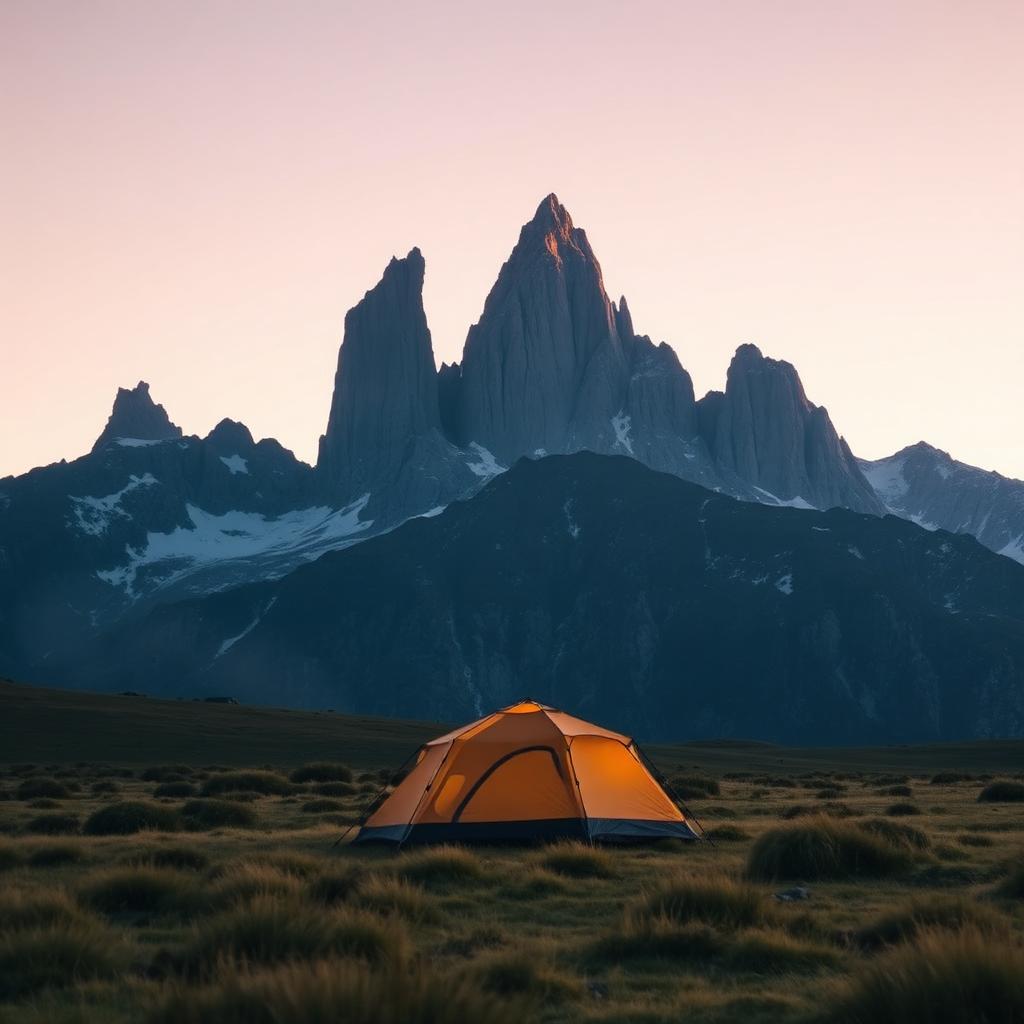
Torres del Paine's popularity has driven a booking system that intimidates first-time visitors. The park operates two overlapping accommodation networks, campsites are limited in number, and the process rewards patience. This guide walks through what to book, what to skip and how to actually assemble a workable itinerary for the classic W and the longer O circuit.
Two operators, one park
Accommodation inside Torres del Paine is split between two private concessionaires, plus a handful of free campsites operated by the national park service. Each concessionaire runs its own booking website; you will need accounts on both. The free campsites are booked through the park service's separate system.
In practice this means most itineraries piece together bookings from three different sources for a single trek. There is no single portal that shows availability across all three, and no tool to build an itinerary automatically. Expect to spend an evening at a spreadsheet.
The W trek
The classic W is a four-to-five-day trek that hits the three great viewpoints of the park: the Base of the Towers, the French Valley and Grey Glacier. It can be walked in either direction, though the east-to-west orientation from the Towers to Grey is more common and slightly easier on the legs.
For the W, the priority bookings are Chileno (at the base of the Towers), Frances or Cuernos (in the middle), and Grey (at the western end). Chileno sells out fastest and often gates the whole itinerary. Book it first, then build the rest of the trip around whatever nights you can secure there.
The O circuit
The full O adds a three- or four-day loop through the quieter back side of the massif, including the crossing of the John Gardner Pass with its stunning glacier views. The O can only be walked counterclockwise, and requires additional bookings at Seron, Dickson and Los Perros on the back half.
The back-side campsites are typically easier to book than the front-side ones. But the O requires more days and more logistical stamina, and walkers who add it should be experienced with multi-day backpacking in variable weather.
Free camping and cost savings
The park service operates a handful of free campsites, notably Italiano at the mouth of the French Valley and Paso high on the back circuit. These sites are basic — pit toilets and cold water — but they are legitimately free, and using them significantly reduces the cost of the trek. Book early; the free sites are the first to fill.
The concessionaire campsites cost roughly what a modest hotel room would cost per person, and the refugio dorm beds cost significantly more. Full-board packages are convenient but expensive; carrying your own food and using the campsites' cooking shelters is dramatically cheaper.
Weather and preparation
Torres del Paine's weather is genuinely severe. Wind is the defining factor, with sustained speeds above sixty kilometers per hour a normal experience and gusts above one hundred not unusual. Your tent's guy-out ability and your fitness for walking into wind are the two things that will most define your trip.
Bring rain gear, wind gear, warm layers and sun protection all on the same day. It is not unusual to use every layer in your pack in a single afternoon.
Booking calendar
The concessionaires typically open their booking systems for the following season in June or July. The free campsites open a little later, often in August. Set calendar reminders and be prepared to book within hours of opening, especially for popular weeks in January and February.
The system is fiddly, but the trek is worth it. Few places in the world combine the scale, the weather and the sheer visual drama of the Paine massif.