Alta Via 1: A Camper's Guide to the Dolomites' Classic Hut Traverse
The Alta Via 1 crosses the Dolomites' most spectacular scenery in ten days, sleeping in mountain huts along the way. A practical guide for camping-minded hikers used to a tent.
Published
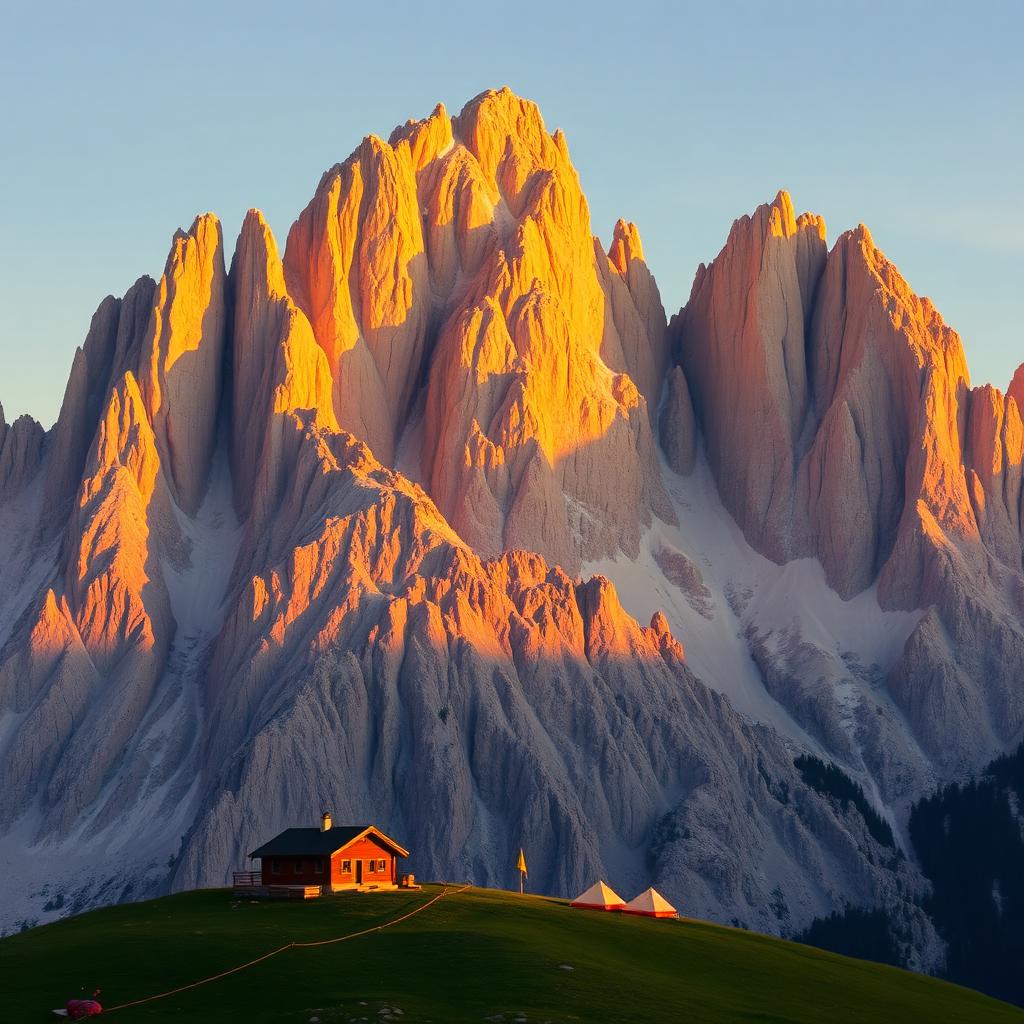
The Alta Via 1 is the most walked of the Dolomites' long-distance high routes, a ten- to twelve-day traverse from Lago di Braies in the north to Belluno in the south, crossing some of the most dramatic limestone scenery on earth. Unlike most classic long-distance camping routes, the Alta Via 1 is walked hut to hut rather than tent to tent, and for good reason: wild camping is prohibited across almost the entire Dolomites national park system, and enforcement is real. For a camper used to a tent, understanding how the hut system actually works is the difference between a wonderful trip and a frustrating one.
The rifugio system
Rifugi are staffed mountain huts operated by the Italian Alpine Club and by private operators. They provide dormitory-style sleeping accommodation, evening meals, and breakfast, and they are woven into the route at intervals of four to seven hours of walking. The largest can sleep more than a hundred hikers; the smallest hold twenty or thirty and fill quickly in high season.
Reservations are essentially mandatory from mid-June through mid-September, and in the peak weeks of late July and early August, the most popular huts are booked out several months in advance. Booking directly with each hut by email is standard practice, and confirming a few days ahead by phone is expected.
What to carry when the tent stays home
The Alta Via 1 is one of the few Alpine traverses where a sleeping bag is not required. Huts provide blankets and pillows, and a lightweight silk or cotton liner is used in place of a sleeping bag. This alone reduces pack weight by a kilogram or more compared with a normal camping traverse.
The trade-off is that gear designed for hut travel is different from gear designed for wild camping. Bring a small daypack of no more than thirty-five liters, indoor sandals or Crocs for the hut in the evening, ear plugs for the dormitories, and enough cash to cover meals and drinks that credit cards will not always reach in the more remote refugi.
Weather is the true planner
Afternoon thunderstorms are a defining feature of Dolomites summer weather, and the classic advice — start early, be off the ridges by early afternoon — is not optional. Most stages on the Alta Via 1 can be completed in five to seven hours of steady walking; leaving the hut by seven in the morning almost always puts you at the next rifugio before the weather turns.
Late June and September are the shoulder weeks worth serious consideration. Snow patches can linger on the higher passes into early July, and September brings the first serious cold and, occasionally, the first snowfall on the highest sections. In exchange, the huts are quieter and the light in the limestone at sunset is arguably better than in high summer.
Highlights along the route
The northern half of the traverse, from Lago di Braies through Rifugio Sennes and on to Rifugio Fanes, moves through wide meadows and dramatic limestone ridges. The middle section, around Rifugio Averau and Rifugio Nuvolau, offers what many walkers consider the finest single hut view in the range: the Cinque Torri to one side and the Marmolada beyond.
The southern half becomes progressively more remote, culminating in the traverse of the Schiara group in the last two days. Water is scarcer here, huts are smaller, and the sense of moving through a genuinely wild landscape is stronger than earlier in the route.
Combining huts and camping
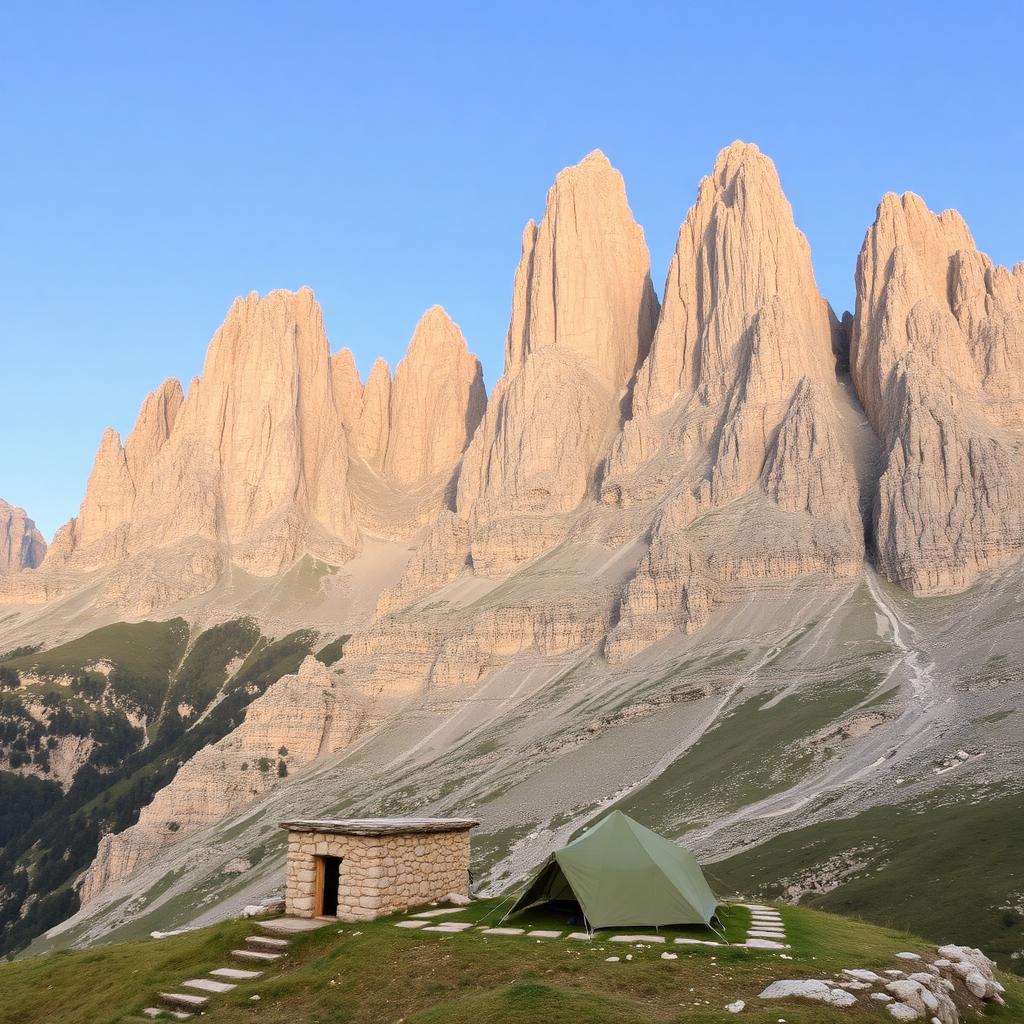
For campers who want a taste of Dolomites wilderness in a tent, the practical solution is to add a bivouac or bivacco night at either end of the traverse, in one of the areas where camping is explicitly permitted. The Fanes plateau and the area around Passo Giau both have such zones, though rules vary year to year and current information from the local park office is essential before pitching.
For most walkers, the Alta Via 1 will be the trip on which they discover that hut walking is not a lesser form of camping but a different one — lighter on the back, richer in shared meals and conversation, and, once you have accepted the reservations discipline, a remarkable way to move through one of the world's great mountain landscapes.