Appalachian Trail Shelters: Etiquette, Choices and Better Nights
How to use the AT's shelter system respectfully, when to tent instead, and small habits that make the whole trail feel like better company.
Published
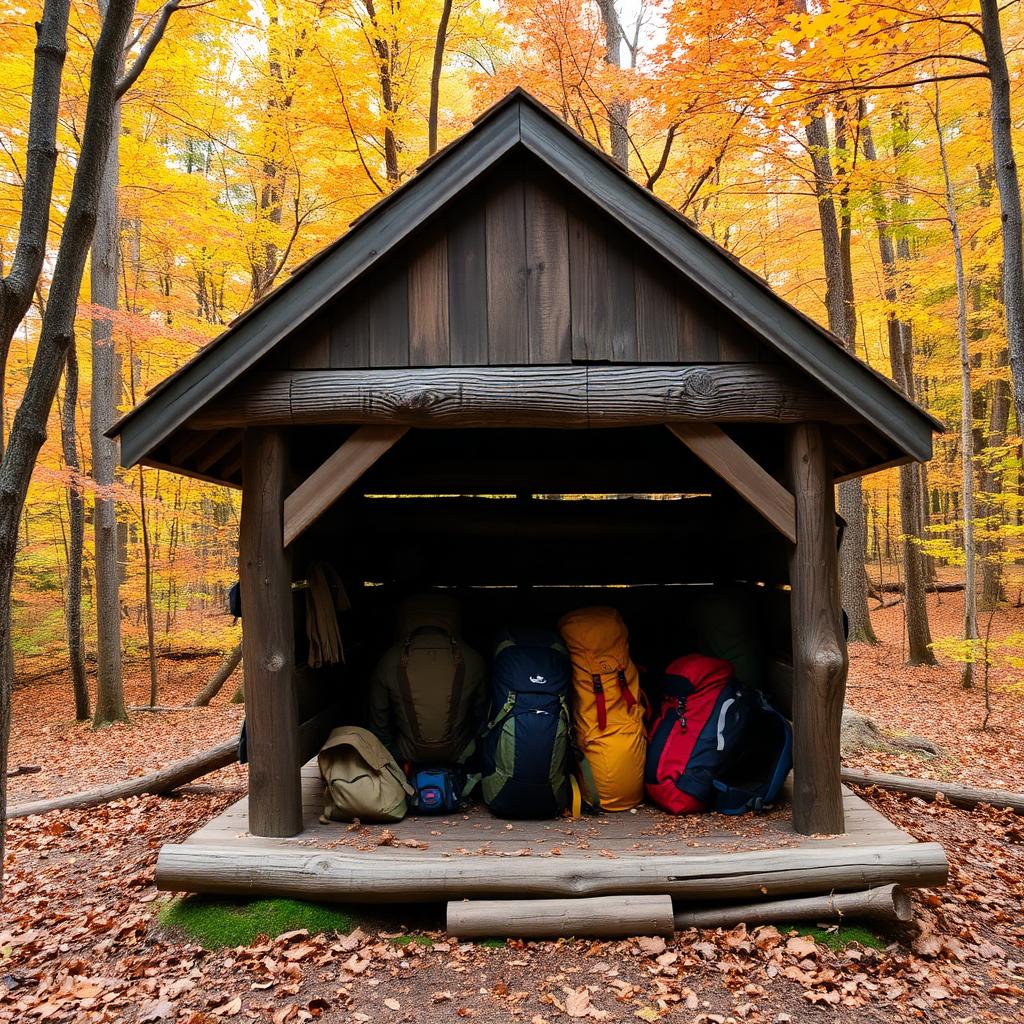
The Appalachian Trail's shelter system is one of the great examples of a functioning trail commons. Three-sided log or timber structures spaced roughly a day's walk apart, they are free to use, first-come first-served, and maintained by a network of trail clubs. The system works because most users respect a small set of shared norms.
When to use a shelter
Shelters are ideal in three situations: driving rain, aggressive bugs and cold nights on exposed ridges. In all three, the ability to spread out on a dry platform and cook without wrestling a tent is a real quality-of-life improvement.
In fair weather, tenting is usually more pleasant. You get privacy, quiet, and the ability to pick your own site rather than sharing a snoring symphony with strangers. A confident tenter with a good pitch can usually be more comfortable in a tent than in a crowded shelter.
The unwritten rules
Move over. If the shelter has floor space, make room for the next arrival, even if it means shifting your gear or waking up someone whose pad has drifted. The default expectation is that a shelter accommodates whoever shows up.
Cook outside. The floor of a shelter is where people sleep, not where they spill soup. Cook at the picnic table or on a nearby rock, and clean up thoroughly so as not to attract mice.
Hang your food. Shelters have concentrated years of food smells and are magnets for rodents. Use the shelter's bear cables or hang your own bag, even if you are the only person there. This is one of the highest-impact habits for keeping the system working.
Sleep quality
Bring good earplugs. The single largest source of complaint about shelter nights is snoring, and there is essentially no shelter culture that will stop people from snoring. Foam earplugs are a fifty-cent investment that transforms shelter nights.
Set up on the ends. The middle of the platform gets the worst air circulation and is the last spot to warm up in the morning. The ends give you more control over how much of the door you can see and where your pack goes.
When to bail to a tent
If a shelter is full to capacity and it is not raining, pitch your tent nearby rather than crowding in. If you are sick, tent so as not to spread whatever you have. If you have a partner and there is genuine floor space, still consider tenting; two adjacent pads in a small shelter cost the community more than they benefit you.
Long-distance culture
The AT shelter system exists in a delicate cultural equilibrium. Thru-hikers use the shelters heavily, section hikers less so, and weekenders least of all. All three groups benefit when everyone remembers that the system works only because volunteers spend thousands of hours a year maintaining and stocking the structures.
Consider donating to the trail club whose shelters you use. Consider carrying out a piece of trash you did not pack in. Consider offering the last dry spot on the platform to a hiker who arrives at dark in the rain.
The AT shelters are not luxurious, and they are not private. But they are a functioning commons, and a night spent in one — with the right frame of mind and the right earplugs — is a distinct camping experience that connects you to a long tradition of walkers who came before.